
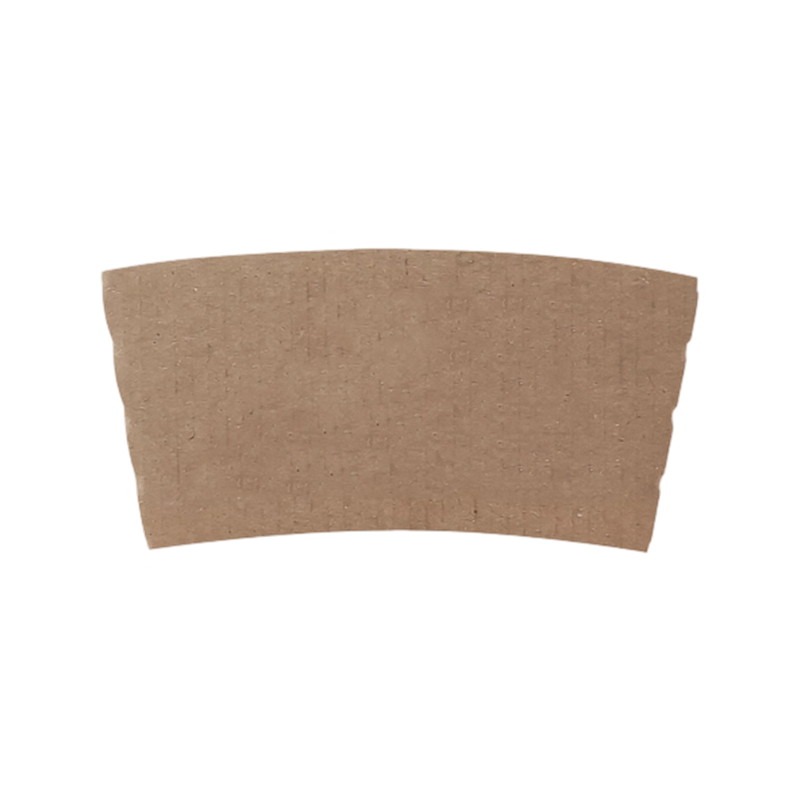
Kraft Hot Cup Sleeve for 16 oz Coffee Cups is a corrugated paper sleeve developed for larger hot beverage cups. Made from food-grade kraft paper, it provides an insulating layer that helps reduce heat transfer while making cups easier to hold during takeaway service. The durable corrugated design offers reliable performance for high-volume beverage operations.
Key Features
Reliable Heat Protection for 16 oz Cups: Designed to fit standard 16 oz (473 ml) paper coffee cups, providing an insulating barrier.
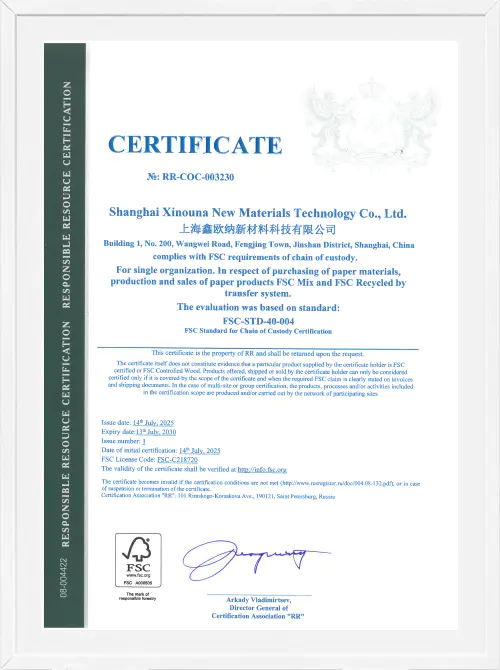
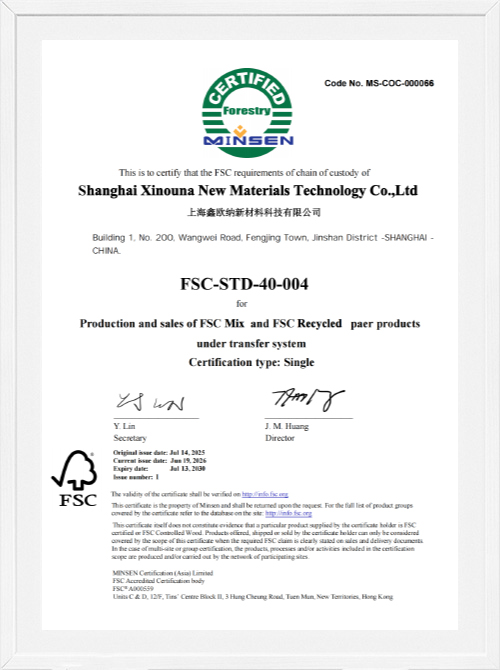
Food-Grade & Recyclable Material: Made from 250–350 gsm food-grade kraft paper, compliant with food-contact safety standards and recyclable. Certified under FDA, FSC, and ISO 9001, ensuring safe materials, responsible sourcing, and stable quality control.
Double-Layer Corrugated Insulation: Features a three-layer construction consisting of an outer kraft paper layer, corrugated flute, and inner liner.
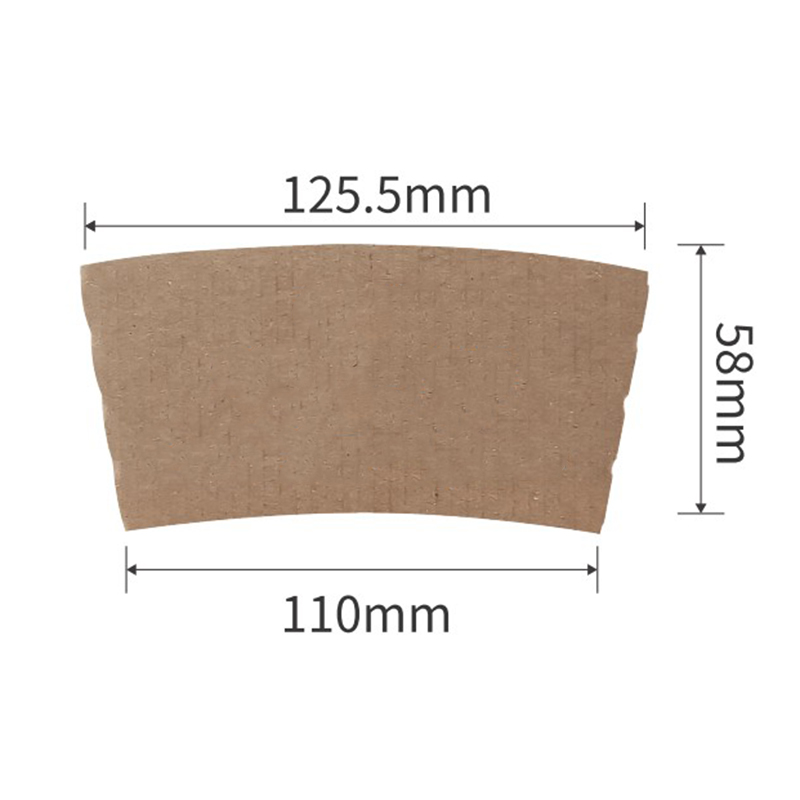
Comfortable Anti-Slip Grip: The textured corrugated surface improves friction for a more secure hold, while the sleeve dimensions are optimized to fit 90 mm rim diameter 16 oz cups without loosening during normal handling.
Specific Applications
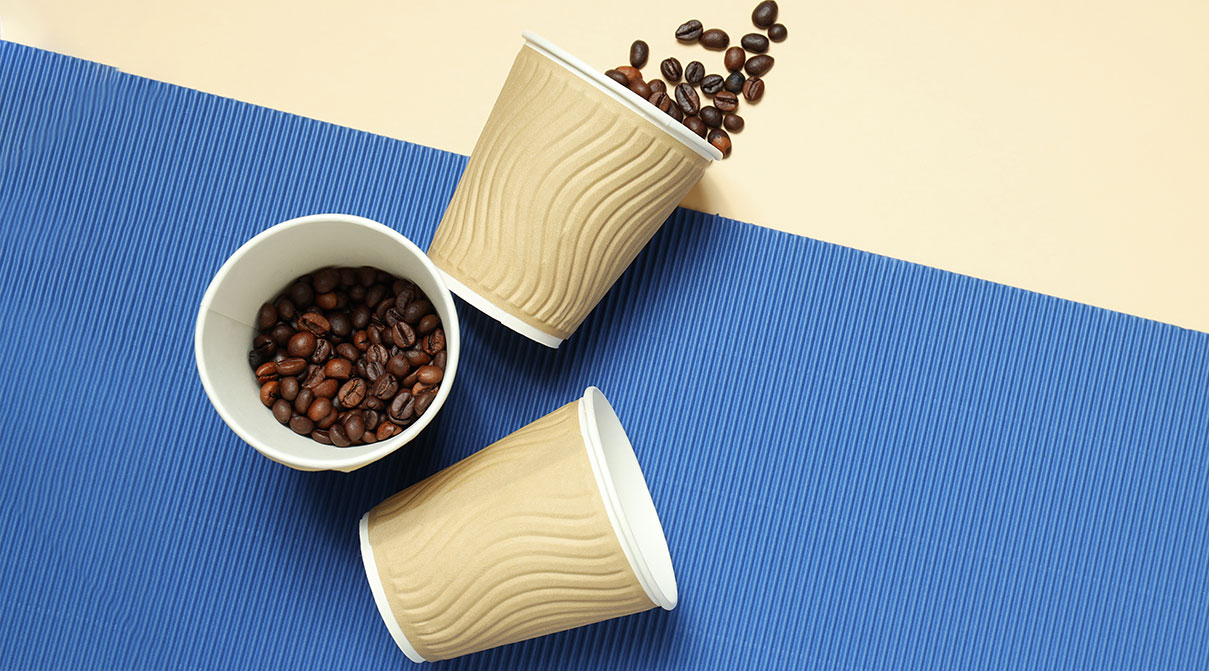
Kraft Hot Cup Sleeve is widely used by coffee chains, specialty cafés, tea shops, quick-service restaurants, convenience stores, and catering providers. It is suitable for large-sized coffee, latte, cappuccino, hot chocolate, and other hot beverages served for takeaway or delivery.



Customization Options
Custom Branding & Design Flexibility: For Kraft Hot Cup Sleeve, custom logos, brand graphics, slogans, and seasonal artwork can be printed according to specific customer requirements, supporting consistent brand identity across different beverage packaging campaigns.
Flexible Order Quantities: Supports scalable production from MOQ 10,000 pcs per design.
Efficient Production & Scheduling: Optimized manufacturing processes ensure stable lead times, allowing fast sampling, repeat orders, and synchronized delivery for multi-store or chain café operations.
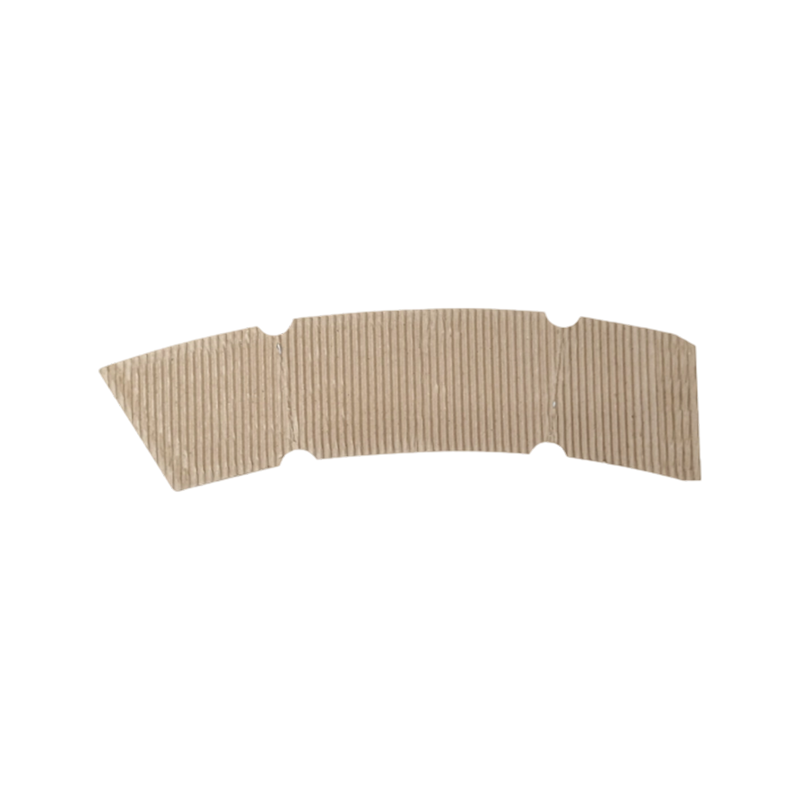
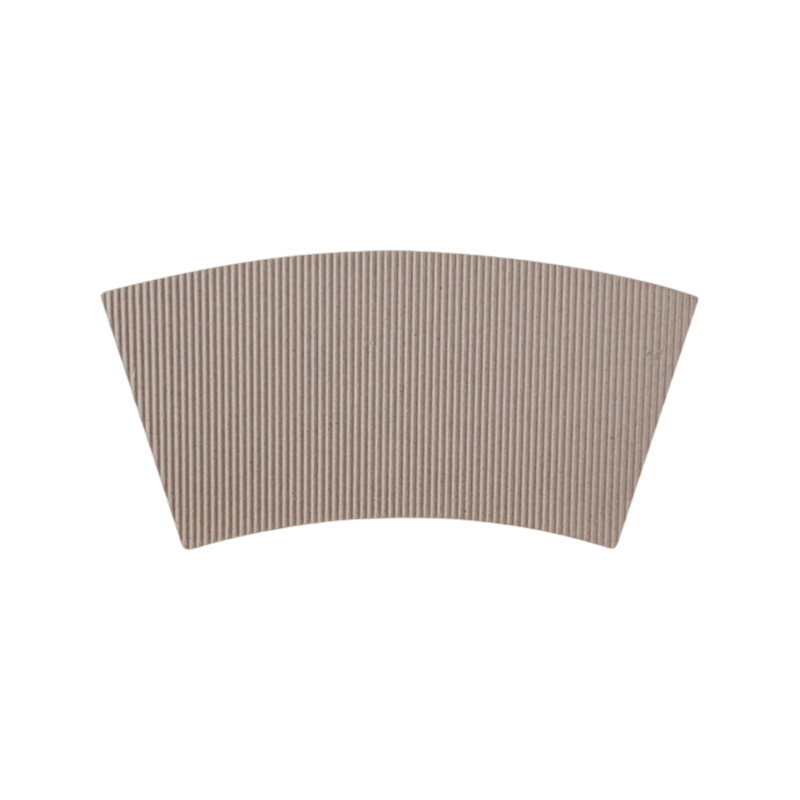
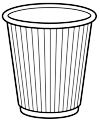 Straight corrugation
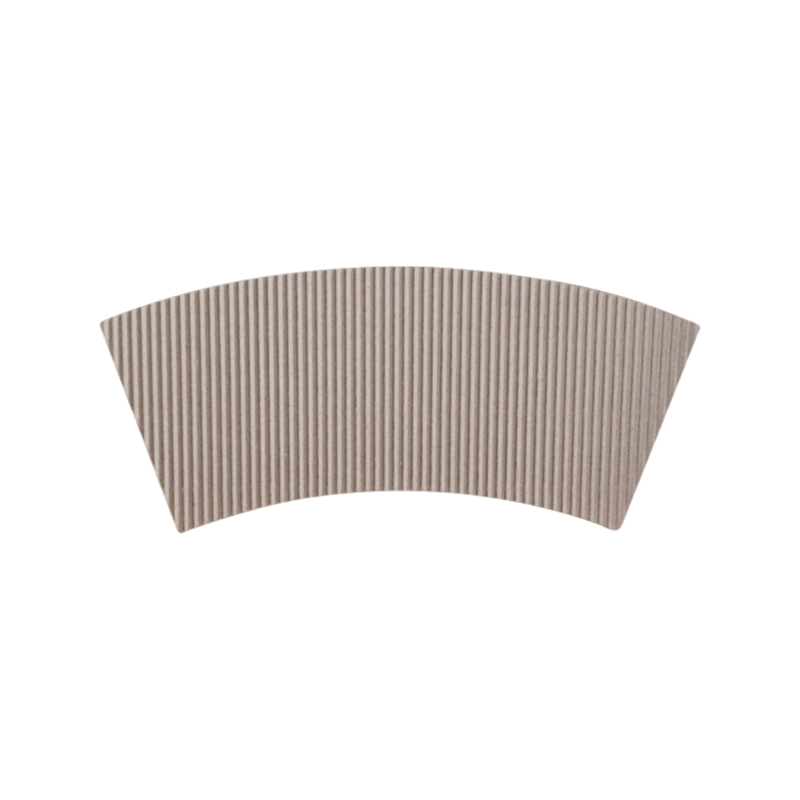
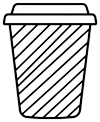 Diagonal corrugated board
 Grid corrugation
Straight corrugation, also known as vertical corrugation, refers to a corrugated board structure where the ridge lines of the corrugations run parallel to the long edge of the board, and the crease lines align with the direction of the corrugations.
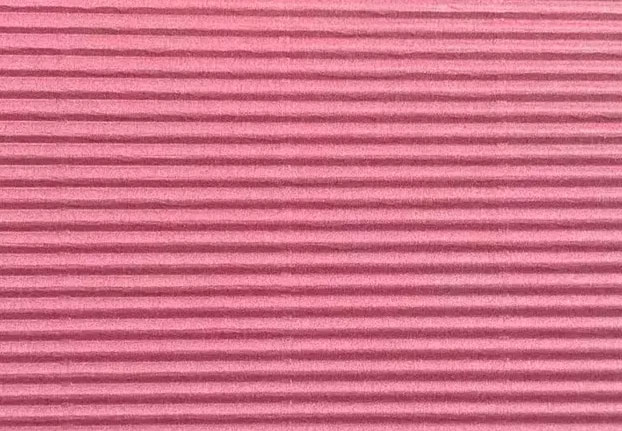
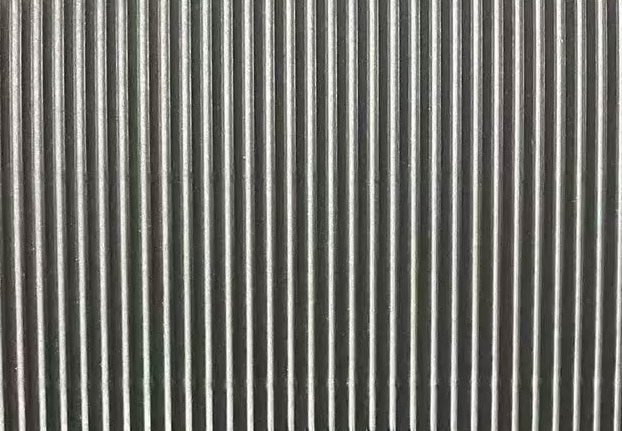
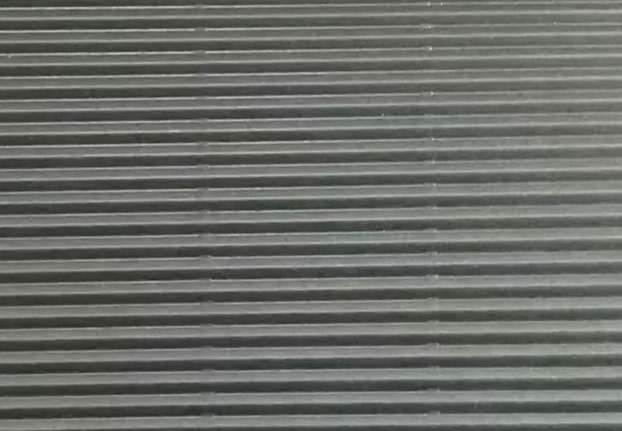
> Corrugation direction: The corrugations extend vertically (along the long side of the carton) to form upright supports.
> Crease direction: Folding creases follow the same direction as the corrugations to prevent rupture of the corrugated ridges.
> Flute options: Flutes A, C, B and E are commonly available; Flutes A and C are preferred for straight corrugation thanks to their higher flute height and superior cushioning performance.
> High compressive resistance: The vertical supporting structure delivers high edge crush strength and better load-bearing capacity than cross corrugation.
> Excellent rigidity: It resists bending along the corrugation direction and maintains stable performance under vertical load.
> Easy folding: Creases aligned with the corrugations enable neat folding without ridge breakage, making it ideal for automatic carton gluing.
> Anisotropic property: High strength along the corrugation direction yet weaker strength perpendicular to it; the load-bearing direction must be considered during structural design.
Diagonal corrugation refers to a special corrugated board structure in which the ridge lines of corrugations form an included angle of 15°–75° (commonly 30°–45°) with the long edge or side edge of the board, instead of being parallel or perpendicular. Its core advantage lies in balanced multi-directional stress bearing and high deformation resistance.
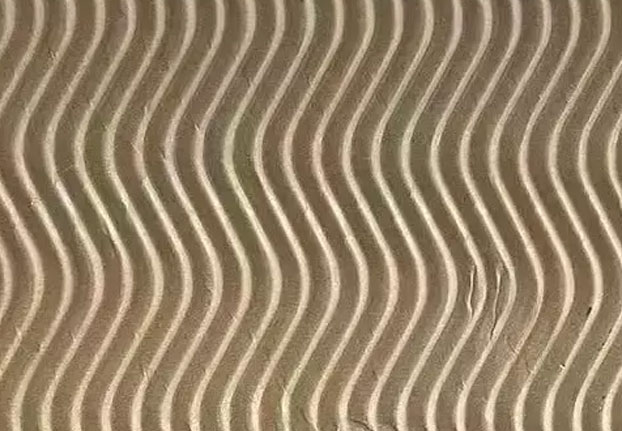

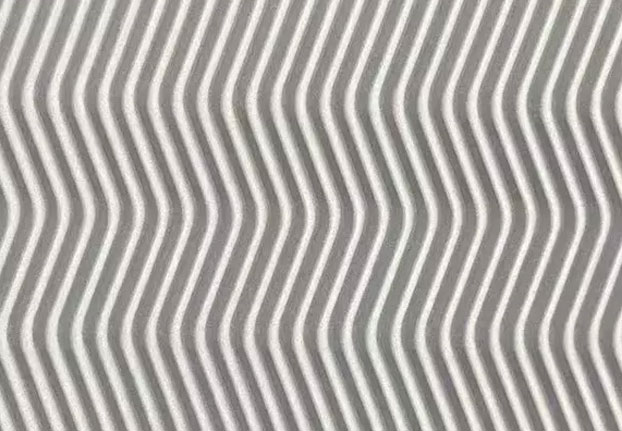
> Corrugation direction: Corrugations extend diagonally, with the included angle of 30°–45° relative to the side edge being the most widely adopted.
> Multi-layer combination: It is often laminated alternately with straight or transverse corrugation (e.g., X-shaped cross lamination) for more uniform strength in all directions.
> Flute types: Flutes A/C are selected for cushioning purposes, while B/E flutes are used for rigidity, catering to diverse load-bearing requirements.
> Isotropic property: Its strength along and perpendicular to the corrugation direction is nearly equal, eliminating the drawback of "high strength along the flute but low strength crosswise" found in straight corrugation.
> Outstanding bending resistance: The diagonal supporting structure disperses stress, resisting warping and cracking during handling and stacking.
> Stable cushioning effect: Diagonal corrugations absorb energy evenly and deliver better shock absorption than straight corrugation, providing reliable protection for fragile goods.
> Balanced rigidity: It balances flat compression resistance and edge crush strength, suitable for application scenarios with complex stress conditions.
Grid corrugation, also known as cross corrugation, is a special type of corrugated board manufactured by laminating two layers of corrugated medium oriented lengthwise and crosswise at a 90° orthogonal angle. The flute lines intersect perpendicularly to form a grid/cross-shaped stress-bearing network, featuring balanced strength in all directions plus exceptional flat compression and bending resistance.
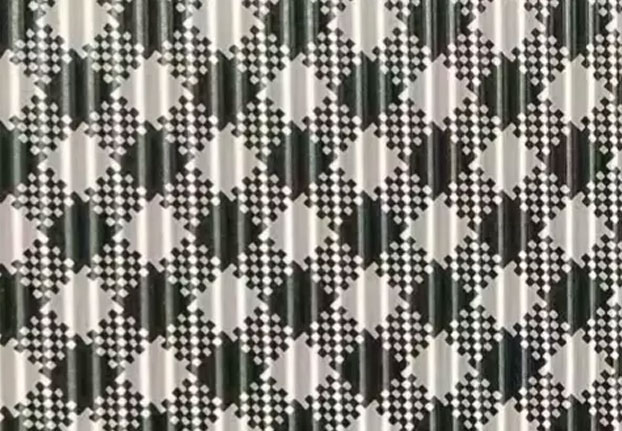
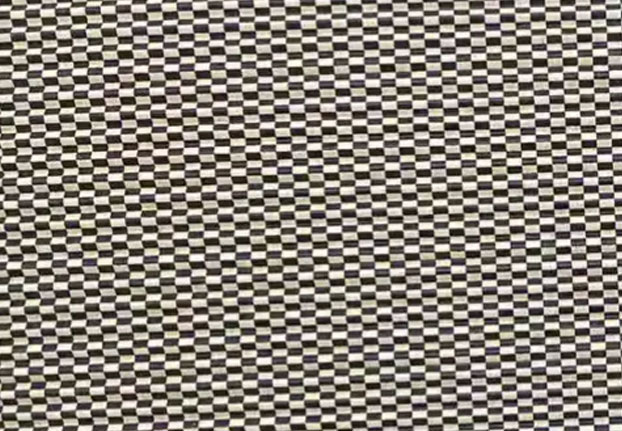
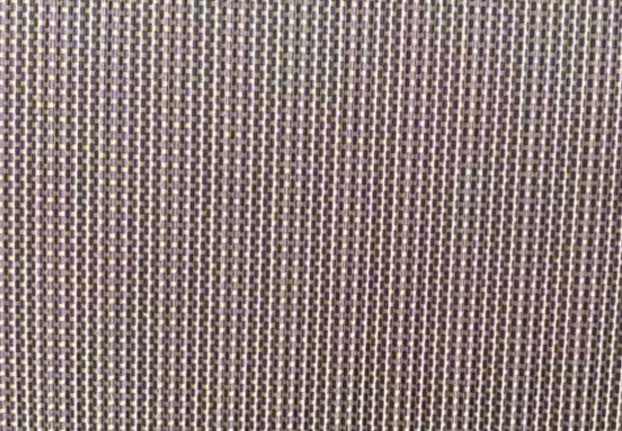
> Medium structure: Two single-wall single-faced corrugated layers are bonded in a lengthwise-crosswise orthogonal layout (90°). An intermediate liner paper can be inserted to form a 4-layer or 5-layer composite structure. The orthogonally arranged flutes build up a grid support network.
> Flute combinations: Flutes A/C are commonly used for cushioning and load bearing, while B/E flutes deliver rigidity and excellent printability. Mixed flute combinations (e.g., flute A lengthwise and flute B crosswise) are also available.
> Visual features: Crossed vertical and horizontal flutes create a distinct grid texture on the surface; the board is thick, stiff and firm overall.
> Isotropic performance: Near identical strength in both lengthwise and crosswise directions, completely eliminating the defect of uneven strength (strong along flutes, weak across flutes) in straight corrugation and the angle limitation of diagonal corrugation.
> Superior flat compression resistance: The grid support structure distributes pressure evenly, achieving flat crush strength 2 to 3 times that of conventional double-wall corrugated board, with outstanding dent resistance and stacking durability.
> Exceptional bending resistance: The intersecting dual-direction flutes form a lattice truss structure, delivering powerful resistance to bending and flexing, and effectively preventing warping and cracking.
> Reliable cushioning performance: The double orthogonal flute layers absorb impact energy uniformly, offering better shock absorption than straight or transverse corrugation, making it ideal for protecting precision instruments and fragile goods.
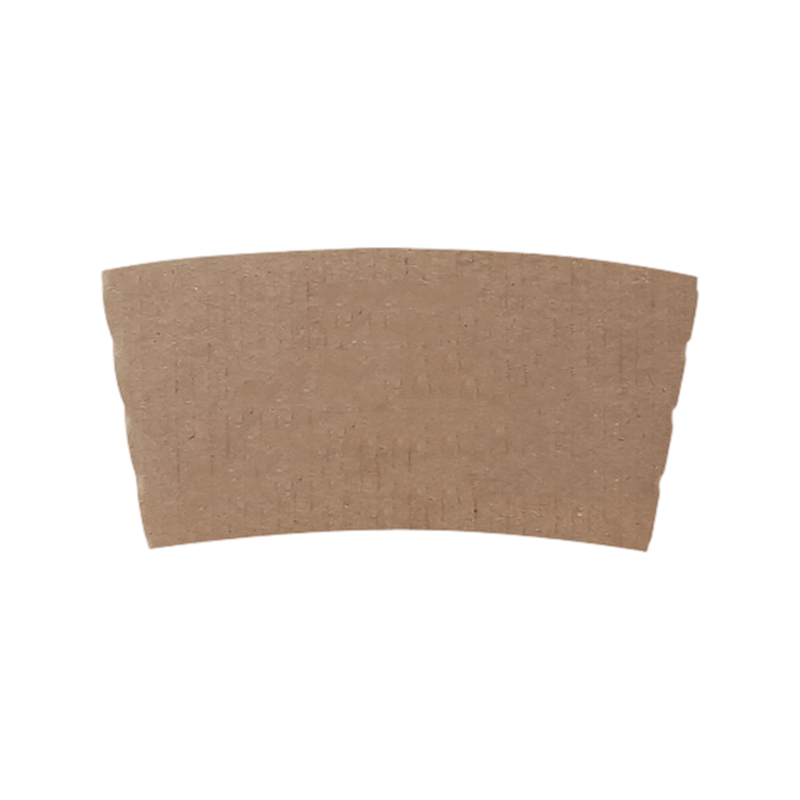
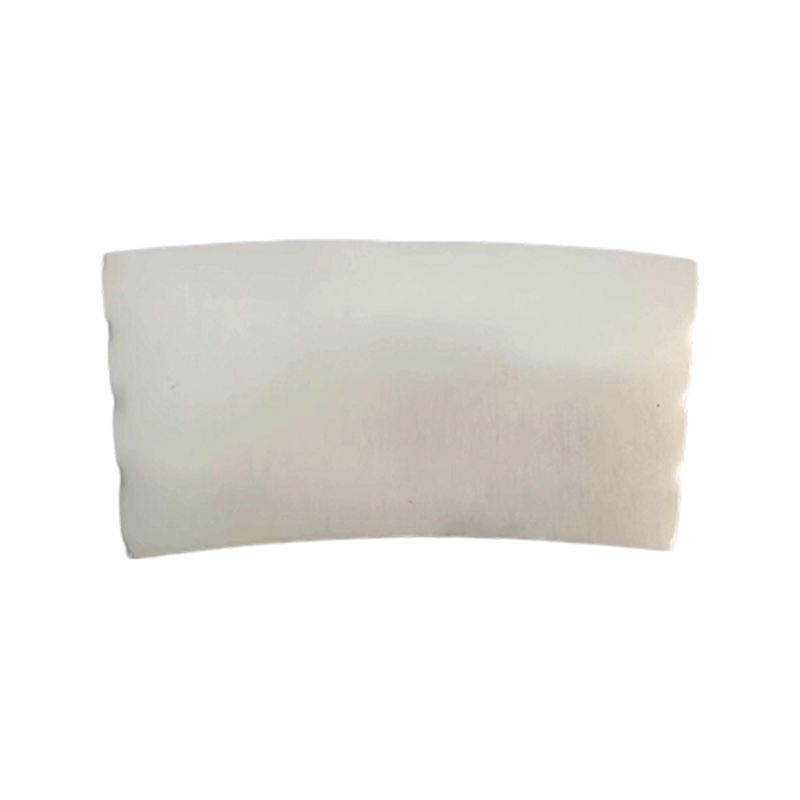
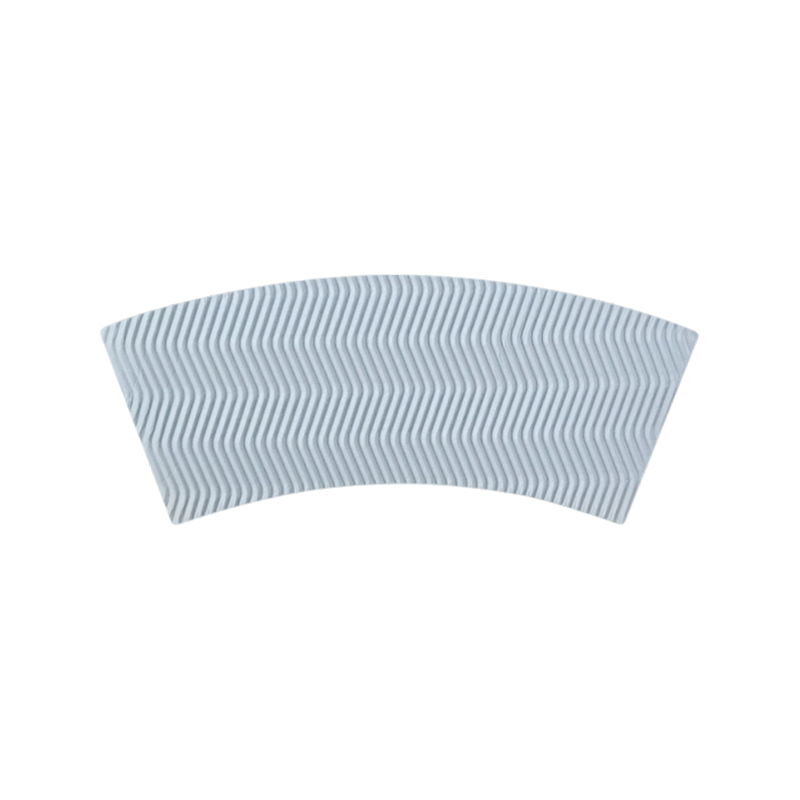
OEM / Bulk Supply for Coffee Chains & Food Brands
1. Custom Logo Printing
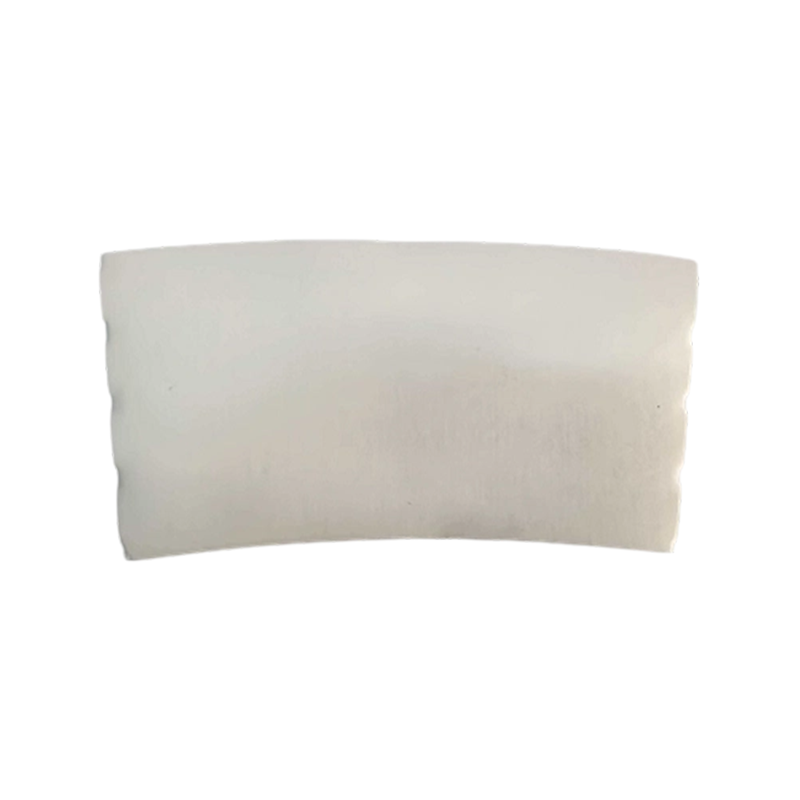
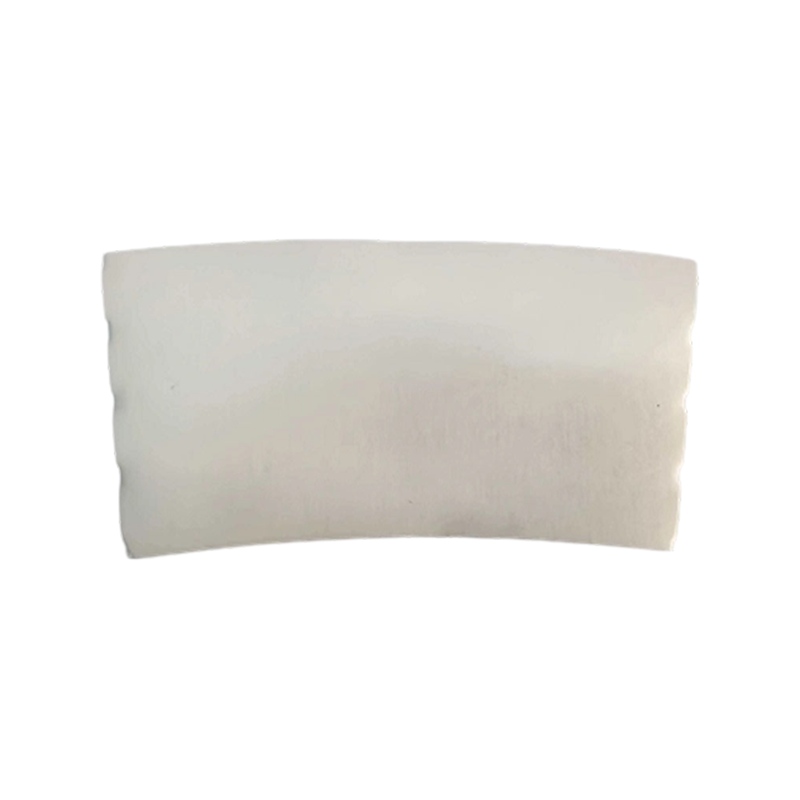
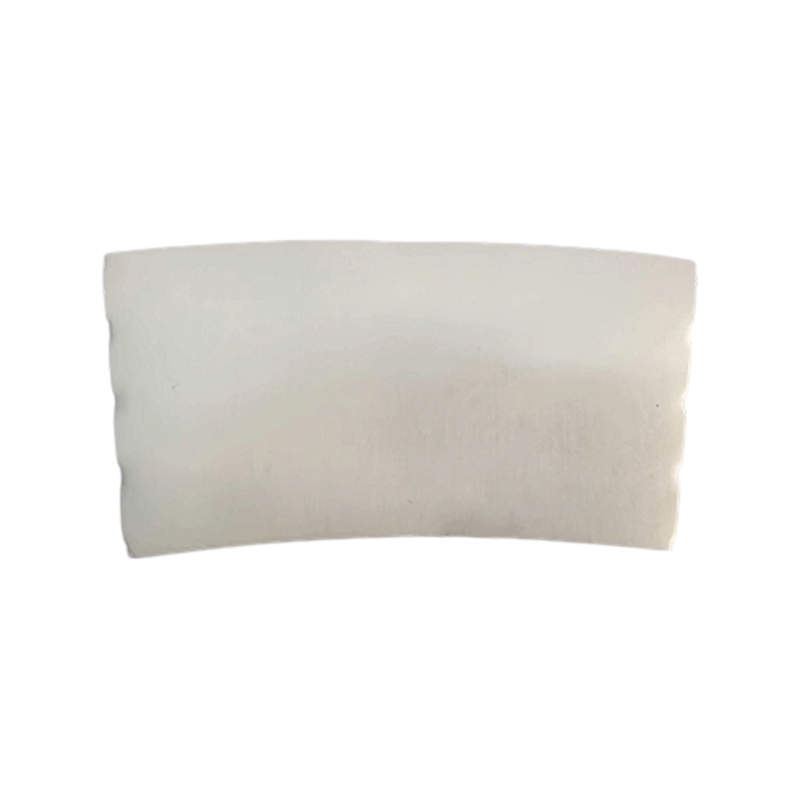
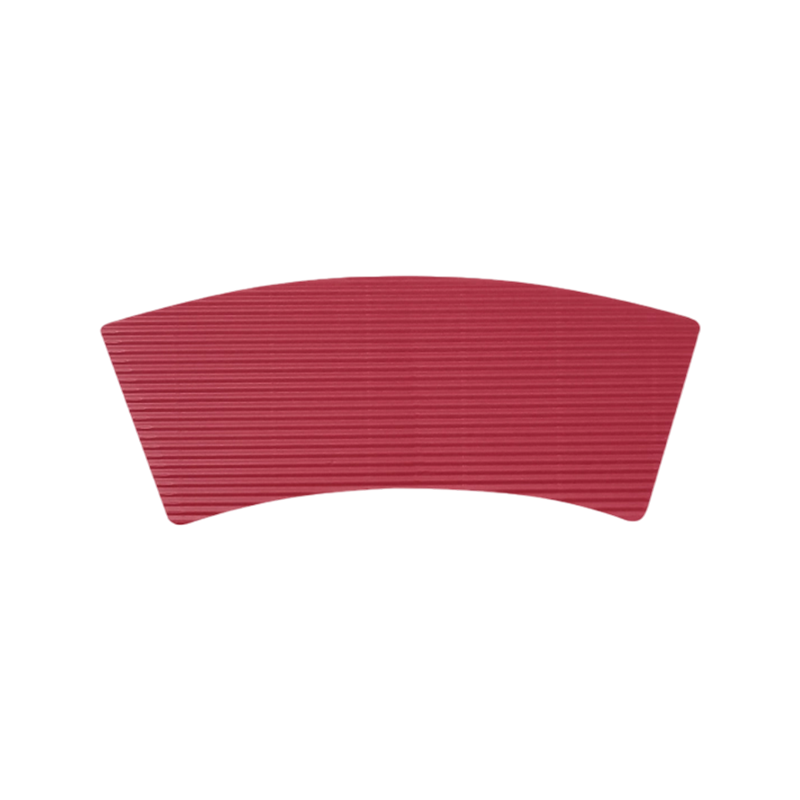
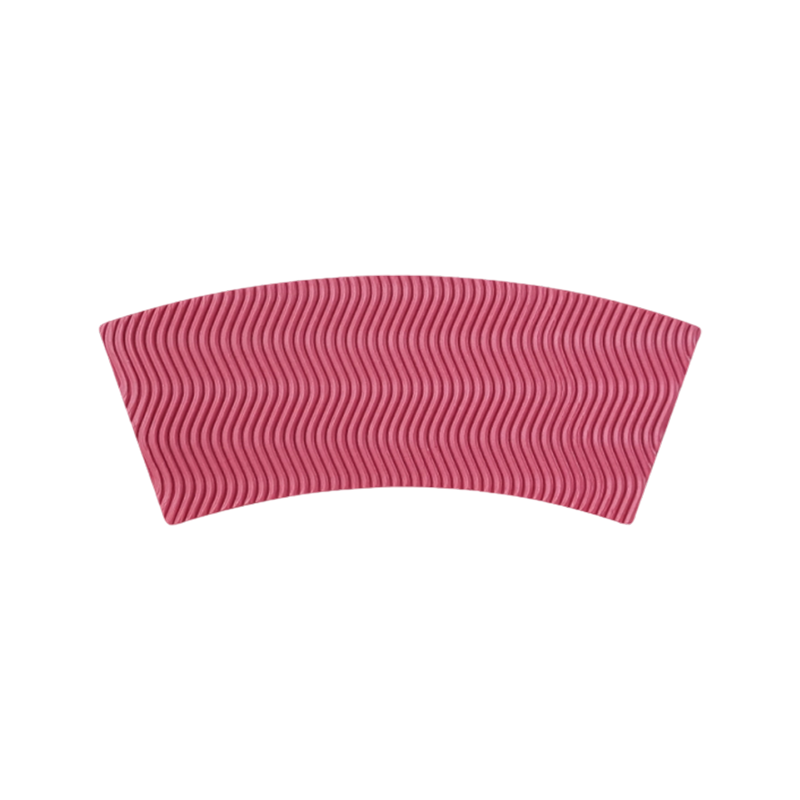
2. Custom Texture & Structure (Straight Grain, Diagonal Grain, etc.)
3. Custom Colors, Fonts & Sizes
4. Custom Exclusive Packaging
5. Full-process Personalized OEM Customization

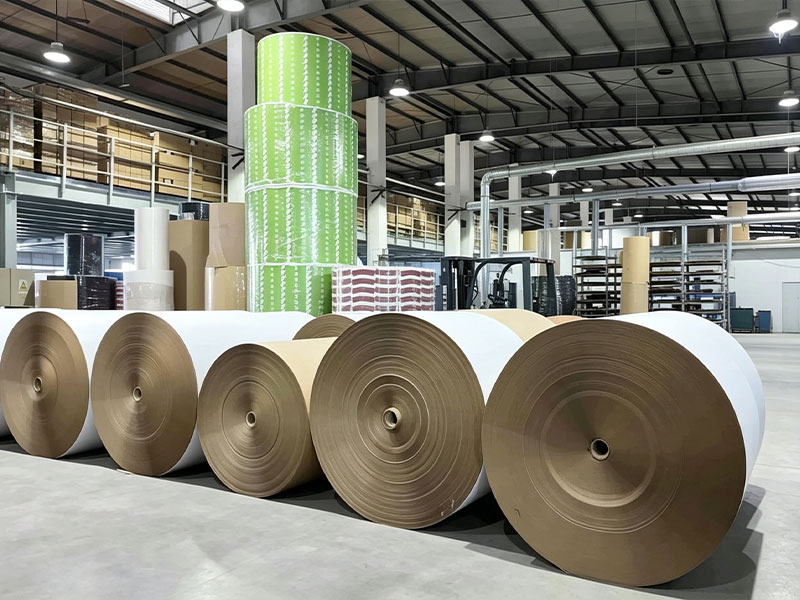




Are You Ready To Customize Your Product?
Custom products available. We look forward to your cooperation.
Quick Link
Contact Information
Tel: 86-188 5739 3958
Tel: 86-136 5198 9100
E-mail: info@xinonapaper.com
Address: 200 Wangwei Road, Fengjing Town, Jinshan District, Shanghai

 English
 Español
 عربى
عربى