
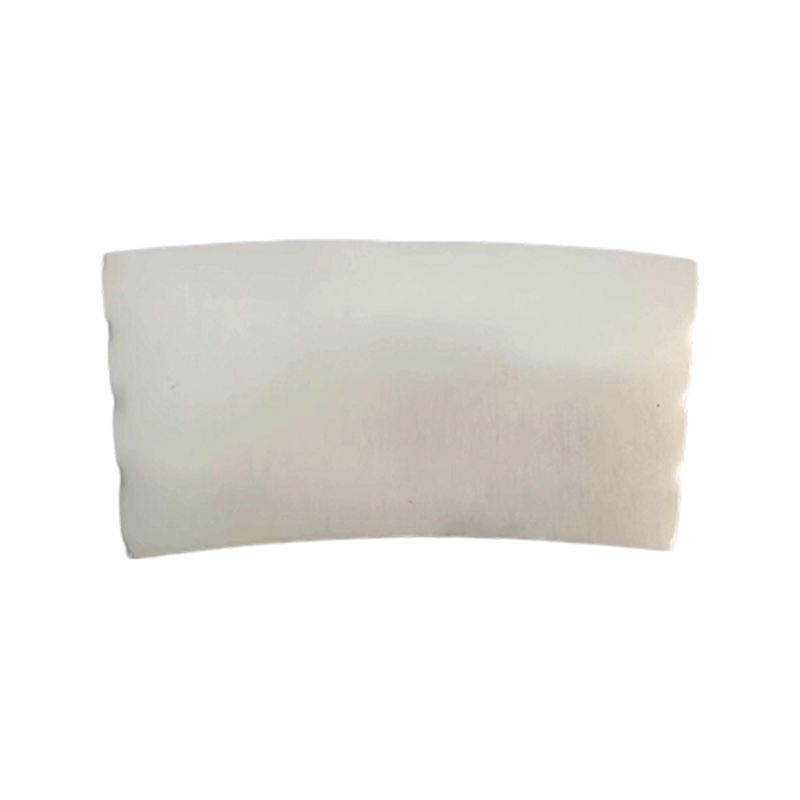
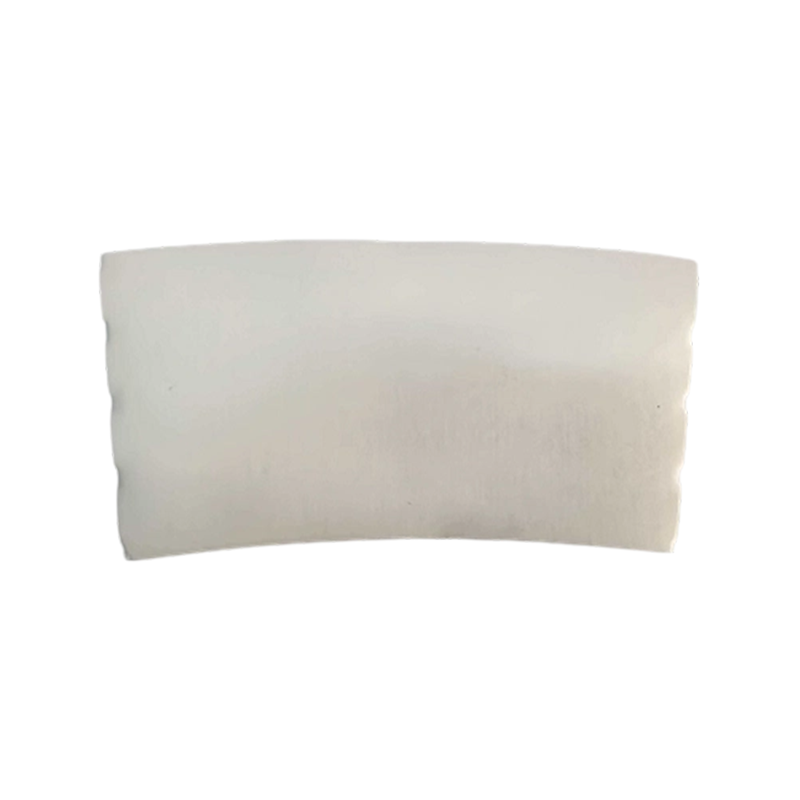
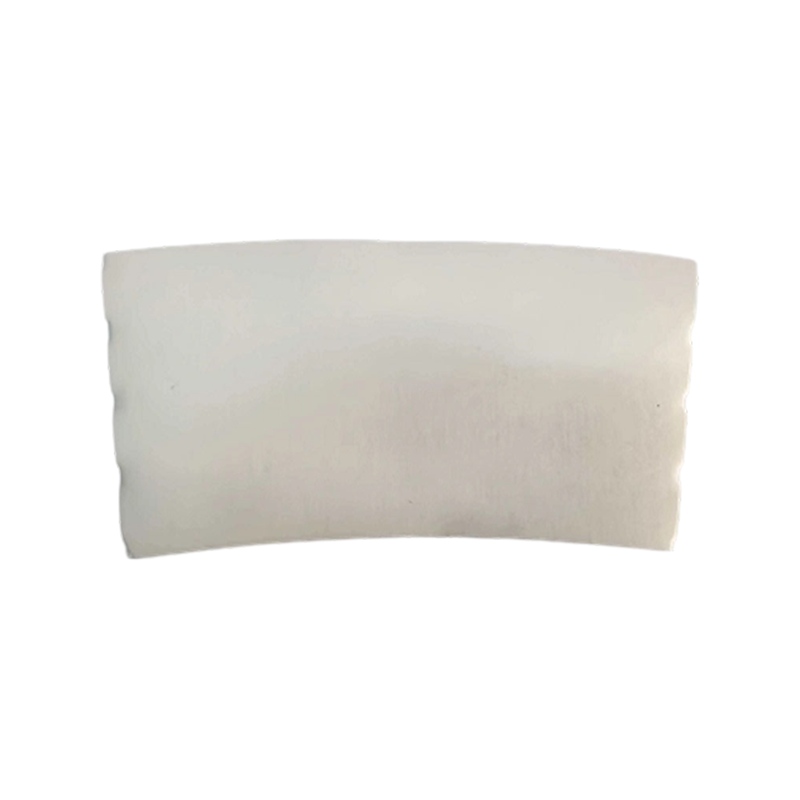
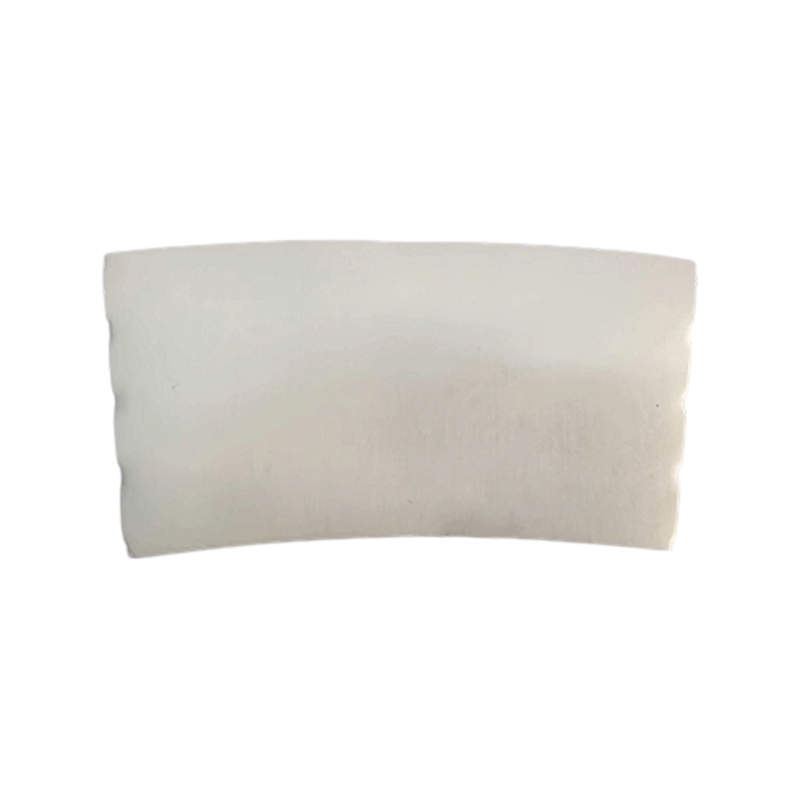
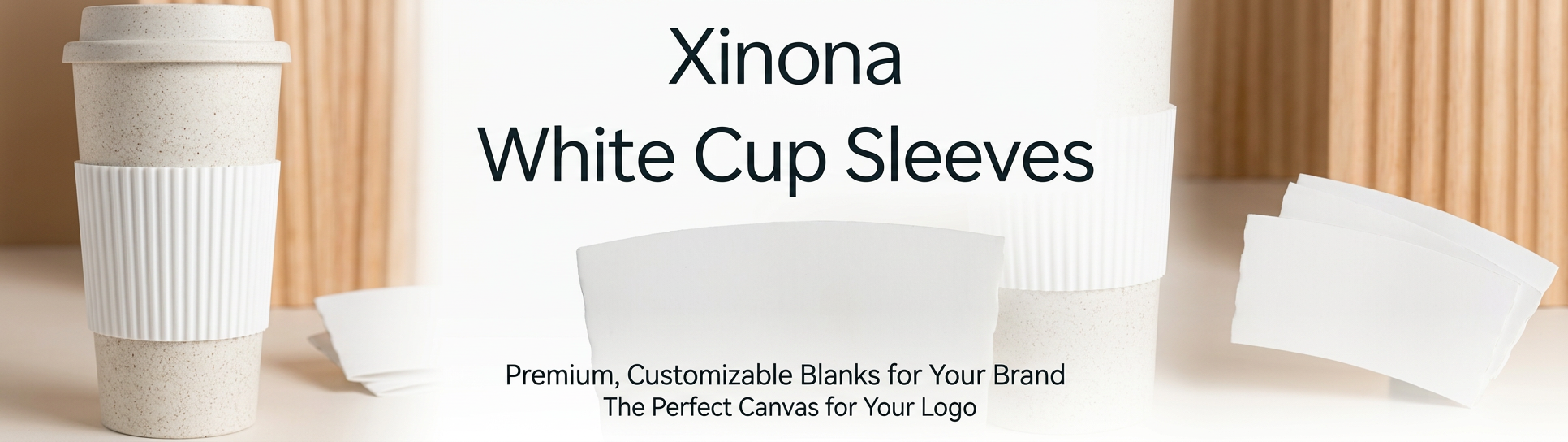
White cup sleeves are paper cup accessories that cover the outer surface of hot-drink cups, helping customers hold beverages more comfortably while reducing direct contact with heat. Common options include white sleeves for 8 oz paper cups, 12 oz corrugated cup sleeves, 16 oz custom coffee cup sleeves, 20 oz disposable hot drink cup sleeves, and white cup sleeves printed with custom logos.
The clean white surface provides an excellent base for brand graphics, promotional messages, and full-color artwork. Made from food-grade recyclable corrugated paper, these sleeves offer reliable thermal insulation and a secure grip for hot beverages. High-quality printing technology delivers sharp detail and accurate color reproduction, making it suitable for branded takeaway packaging.
Custom manufacturing is available for sleeve size, structure, printing layout, colors, logos, text, and graphic patterns. White cup sleeves are widely used by coffee chains, tea brands, restaurant groups, hotels, retail stores, packaging companies, schools, and event organizers.
OEM / Bulk Supply for Coffee Chains & Food Brands






A box used to be a pretty simple thing. Put the product inside, tape it up, and ship it out. Th...
Takeaway coffee is part of everyday life for a lot of people. They grab a cup before work, betwe...
A takeaway coffee may only need a cup, lid, and drink, but there is another small part of the packag...
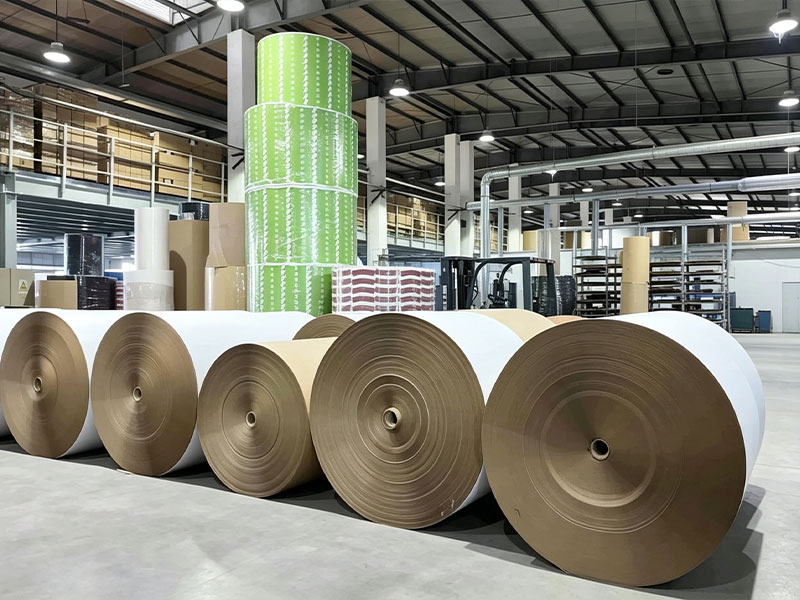
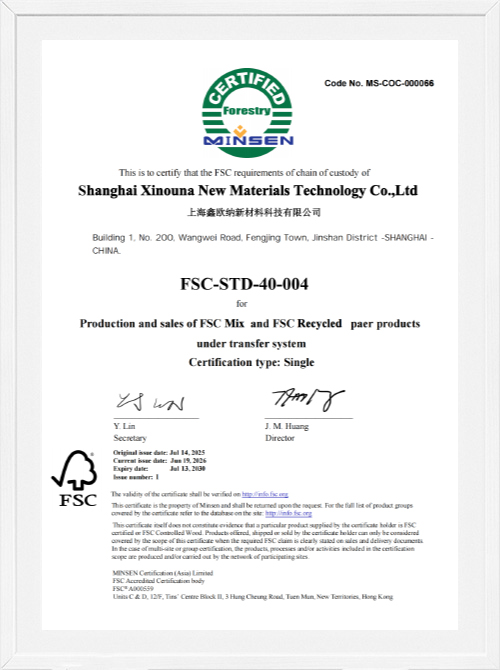
Shanghai Xinona New Material Technology Co., Ltd. was established on February 14, 2022. The company ...
Shanghai Xinona New Material Technology Co., Ltd. was established on February 14, 2022. The company ...
Shanghai Xinona New Material Technology Co., Ltd. was established on February 14, 2022. The company ...
White cup sleeves do more than cover a hot paper cup. They create a more comfortable holding surface, add grip and provide a bright background for branding. For coffee shops, beverage companies and packaging buyers, a well-made sleeve must work as both protective packaging and a visible part of the drink presentation.
The finished result depends on how several details work together: the paper grade, corrugated profile, sleeve dimensions, print method, grain direction and seam construction. Even a small difference in cup taper or material stiffness can change how securely the sleeve sits on the cup.
This guide explains what to consider when selecting or developing white cup sleeves for hot beverage packaging.
A white cup sleeve is a shaped paper component fitted around the outside of a takeaway cup. Its main purpose is to reduce direct contact between the user’s hand and the heated cup wall.
Most designs use corrugated, embossed or textured paper to create additional separation and improve grip. Compared with holding a smooth cup directly, the raised surface can feel more secure and may require less pressure from the hand.
White sleeves are commonly used for:
The white surface also gives designers a neutral starting point. Dark logos, bright colors and pale graphic elements can all remain visible without competing with the natural brown tone of kraft paper.
The performance of a white coffee cup sleeve is determined by its complete structure. Paper thickness is important, but it is only one part of the specification.
Corrugated material contains a formed paper layer with small channels or air spaces. When the sleeve is fitted correctly, these spaces help separate the user’s hand from the hot cup surface.
The result depends on several variables:
A thicker sleeve does not automatically provide better performance. If its corrugated structure has been heavily compressed, the available air space may be reduced. A moderately sized, well-formed flute can sometimes perform more consistently than a thicker but poorly controlled material.
White cup sleeves should therefore be evaluated using physical samples rather than paper thickness alone.
A ripple or embossed surface creates more texture than a smooth paper cup. This can make the cup easier to hold, especially when the user is walking or carrying more than one item.
A consistent surface profile can help provide:
Irregular ripple spacing may be visible after printing and forming. It can also cause noticeable variations in hand feel.
A sleeve needs enough stiffness to retain its shape, but it must also bend around a tapered cup.
If the paper is too soft, the sleeve may compress, slide or lose its intended profile. If it is too rigid, it may resist wrapping and create tension near the glued seam.
The target is a balanced construction that can:
Stiffness must be considered together with the sleeve shape and cup dimensions. The same paper may behave differently on an 8 oz cup and a wider 20 oz cup.
White cup sleeves can be made with recyclable paper grades, provided that the selected material has the required fiber strength, stiffness, print surface and converting performance.
The full construction matters. Films, coatings, adhesives and some decorative finishes may affect how the used sleeve is handled in local paper recycling systems.
For projects focused on material recovery, buyers may consider:
Recyclability claims should reflect the complete sleeve and the recycling facilities available in the destination market.
Choosing the sleeve material is only half the job. The blank must also match the geometry of the cup and support the intended artwork.
Cup capacity is a useful reference, but it is not enough to define the sleeve dimensions. Two cups marked 12 oz may have different diameters, heights and wall angles.
For accurate development, the following cup measurements should be confirmed:
The table below provides a general starting point.
| Cup Format | Typical Application | Sleeve Priority | Development Focus |
|---|---|---|---|
| 8 oz | Small coffee, tea and espresso drinks | Compact fit and clean edges | Accurate curve and controlled sleeve height |
| 12 oz | Regular coffee, tea and hot chocolate | Balanced grip and print space | Fit, comfort and artwork positioning |
| 16 oz | Large coffee and specialty drinks | Wider coverage and seam stability | Material stiffness and resistance to slipping |
| 20 oz | Extra-large hot beverages | Stronger shape retention | Coverage, rigidity and secure placement |
These are application guidelines rather than universal dimensions. The actual cup profile should be used when preparing the die-cut drawing.
A sleeve that is too loose may rotate or move downward. A sleeve that is too tight may sit higher than intended, place excessive force on the joint or deform during fitting. Testing on the actual cup is the most reliable way to approve the size.
Surface texture influences grip, print definition and visual style. Each profile creates a different balance between appearance and structural depth.
Straight grain uses orderly, parallel ridges. It has a clean, regular appearance that works well with simple logos, typography and geometric layouts.
The direction of the lines should be coordinated with the bending and forming direction. Incorrect orientation can increase spring-back or make the sleeve harder to wrap evenly.
Diagonal grain introduces angled lines across the sleeve. The direction gives the surface a more energetic appearance and makes the texture more visually noticeable.
It can be useful when the packaging design treats the paper structure as part of the graphic identity rather than hiding it beneath the artwork.
Fine ripple has a narrow, closely spaced pattern. It creates a subtle texture and is often selected for sleeves requiring a neat, restrained appearance.
Typical applications include:
Printing very small details still requires testing because the surface is not completely flat.
Micro-corrugated paper combines a compact flute with useful structural depth. It can offer a relatively even visual surface while remaining lightweight.
This option may be suitable for projects requiring:
“Fine ripple” and “micro corrugated” are sometimes used differently by different manufacturers. Buyers should confirm the actual ripple width, ripple height and total board thickness instead of relying only on the product name.
White paper reflects light more evenly than natural kraft paper and creates less color interference. It is particularly useful when the artwork contains pale tones, bright brand colors or several printed colors.
A white background can support:
White sleeves are not limited to colorful designs. They are equally suited to black typography, monochrome artwork and restrained brand systems.
A white base improves color visibility, but the material surface still influences the final result.
Important print variables include:
Deep or irregular ripples can make small text less sharp. Large solid-color areas may also show natural surface variation. Artwork should therefore be prepared for the selected paper rather than transferred directly from a smooth packaging design.
A printed proof or production sample should be approved when color accuracy, small text or logo positioning is important.
White paper cup sleeves normally pass through printing, die-cutting, creasing, gluing and packing. Each step can affect the final fit and appearance.
Accurate die-cutting controls the sleeve’s outline, curvature, opening width and seam position.
Poor cutting accuracy may cause:
The cutting die should be developed from the actual cup profile whenever possible. For repeat orders, the approved drawing and sample should be retained as production references.
Creasing helps the material bend in a controlled way. The required crease depends on the paper thickness, flute direction and sleeve design.
A crease that is too deep can break paper fibers or flatten the corrugated profile. A weak crease may cause spring-back, raised edges or uneven forming.
During sample approval, check:
The glued area must be large enough to hold the sleeve together without creating an uncomfortable hard point.
Seam performance depends on:
Too much adhesive may spread beyond the joint or create visible marks. Too little adhesive can lead to opening during packing or use.
The seam should remain secure while allowing the sleeve body to follow the taper of the cup.
Lamination can improve rub resistance and provide additional protection for printed graphics. Coatings may also change gloss, stain resistance or tactile feel.
These treatments can influence:
The finish should be tested as part of the complete construction. Evaluating an untreated paper sample will not accurately represent a laminated production sleeve.
Paper reacts to humidity. Uneven moisture can cause curling, warping and dimensional changes before or after converting.
Paper that is too dry may crack during creasing. Material exposed to high humidity can become soft or lose flatness.
To support stable production, cup sleeves should generally be:
Environmental conditions should also remain reasonably stable during printing, die-cutting and gluing.
A detailed inquiry helps the manufacturer recommend the right white cup sleeve structure and prepare a more accurate quotation.
Provide the following information where available:
Physical cups, existing sleeve samples or technical drawings are particularly helpful for custom development.
These answers address the most common questions raised during material selection and product development.
White cup sleeves are fitted around hot beverage cups to reduce direct contact between the user’s hand and the heated cup wall. Their paper structure also adds grip and gives the cup a printable branding area.
They are widely used for takeaway coffee, tea, hot chocolate and other hot drinks sold by cafés, restaurants, hotels, retailers and event organizers.
Their primary purpose is to improve handling comfort by adding a paper layer and, in corrugated designs, an insulating air space around part of the cup.
They may reduce some heat loss through the covered area, but they are not intended to function as a sealed thermal container. Performance varies with sleeve coverage, paper structure, cup material and beverage temperature.
The fluted paper creates small air spaces between the cup and the outer sleeve surface. These spaces reduce direct contact and slow heat transfer compared with holding the hot cup wall alone.
Flute shape, paper compression and sleeve fit all affect the result. A crushed or heavily flattened structure may provide less separation.
Sometimes, but compatibility should not be assumed from capacity labels alone.
A sleeve may fit several cups when their diameters and tapers are sufficiently similar. However, cups sold as the same capacity can have different profiles. Each proposed combination should be checked using physical samples.
Yes. The light background provides good contrast for logos, text, patterns and multicolor illustrations.
Final print clarity depends on paper smoothness, texture depth, ink absorption and the printing process. Fine text, QR codes and detailed artwork should be tested before mass production.
Fine ripple generally describes a subtle, closely spaced surface pattern. It is often selected for a refined appearance and less dominant texture.
Micro-corrugated paper refers to a compact flute construction designed to provide structural depth without the bulk of a larger corrugated profile. Because supplier terminology varies, actual ripple dimensions and board thickness should be confirmed.
Sliding is commonly related to dimensional mismatch. The sleeve may be too wide, positioned incorrectly or designed for a cup with a different taper.
Material stiffness and inner-surface friction can also affect stability. The sleeve should be tested on a filled cup under realistic handling conditions.
Curling may result from uneven moisture, one-sided printing or coating, excessive processing heat, unsuitable grain direction or unbalanced material tension.
Stable storage, paper conditioning and controlled converting conditions can reduce the risk. The complete printed and finished sample should be checked rather than approving the base paper alone.
Paper-based sleeves may be accepted in paper recycling streams when their construction is compatible with local facilities. Plastic films, certain coatings, heavy adhesive application or contamination can affect acceptance.
Recycling requirements differ by market, so environmental statements should be supported by the actual material composition and local collection rules.
The sample should be evaluated for:
A signed or clearly identified approval sample can then serve as the reference for mass production.
Xinona develops and supplies white cup sleeves for different hot drink cup profiles, printing requirements and packaging applications. Available solutions may include fine ripple, micro-corrugated, straight-grain and directional-texture structures.
Our product development focuses on the details that influence the finished sleeve:
White cup sleeves can be produced for common formats such as 8 oz, 12 oz, 16 oz and 20 oz cups, subject to the actual cup dimensions. Custom sizes, printed logos, artwork and surface finishes can be evaluated according to the project requirements.
For more accurate sampling and quotation, provide the physical cup or a dimensional drawing together with the desired sleeve texture, artwork, quantity and packing requirements. Matching the sleeve to the real cup at the development stage helps create a more secure fit, a cleaner appearance and a more consistent result in production.
Are You Ready To Customize Your Product?
Custom products available. We look forward to your cooperation.
Quick Link
Contact Information
Tel: 86-188 5739 3958
Tel: 86-136 5198 9100
E-mail: info@xinonapaper.com
Address: 200 Wangwei Road, Fengjing Town, Jinshan District, Shanghai

 English
 Español
 عربى
عربى