
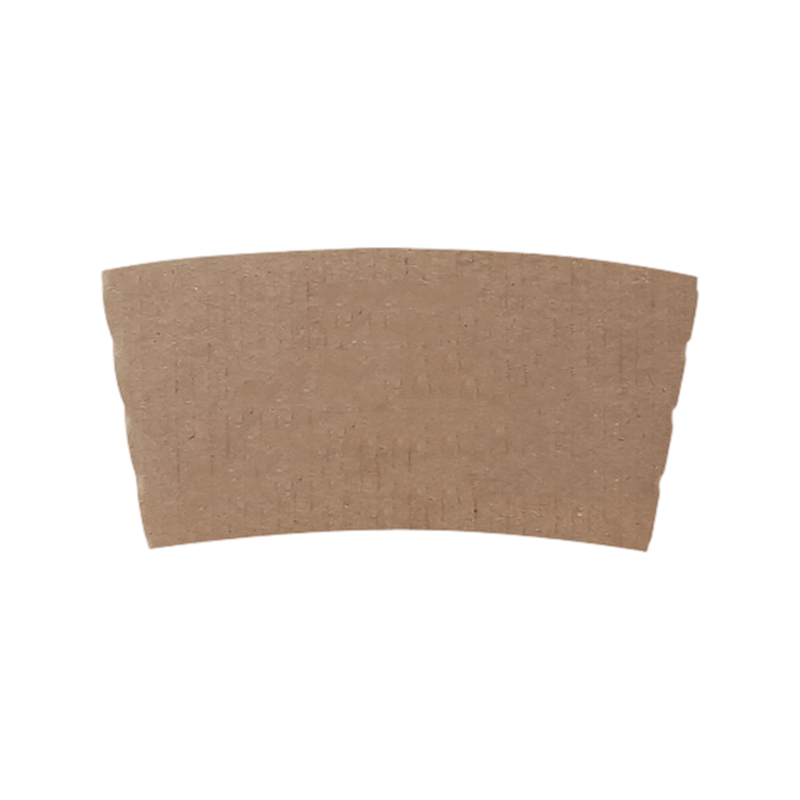
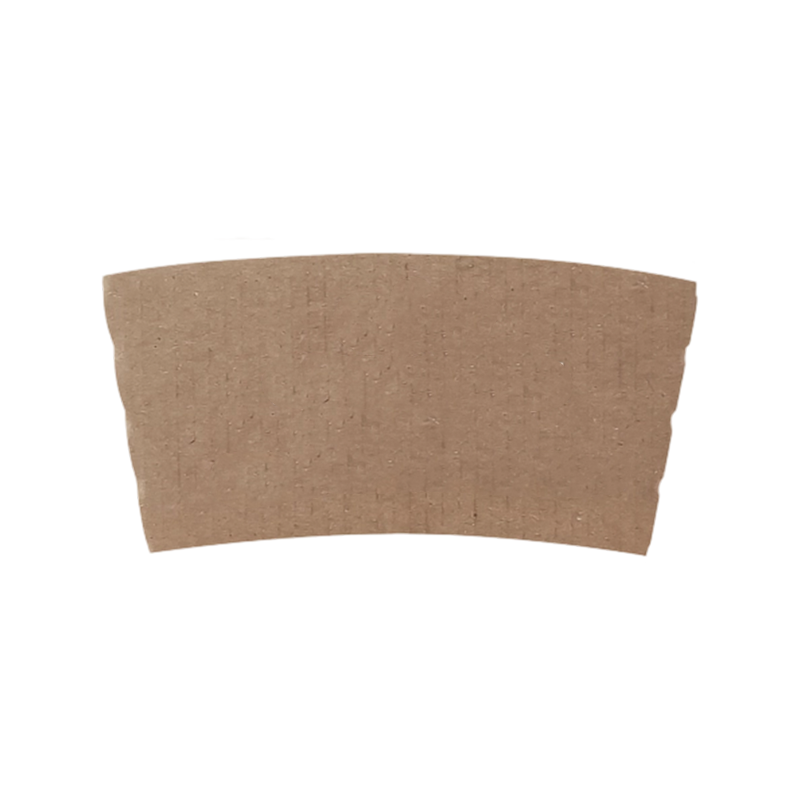
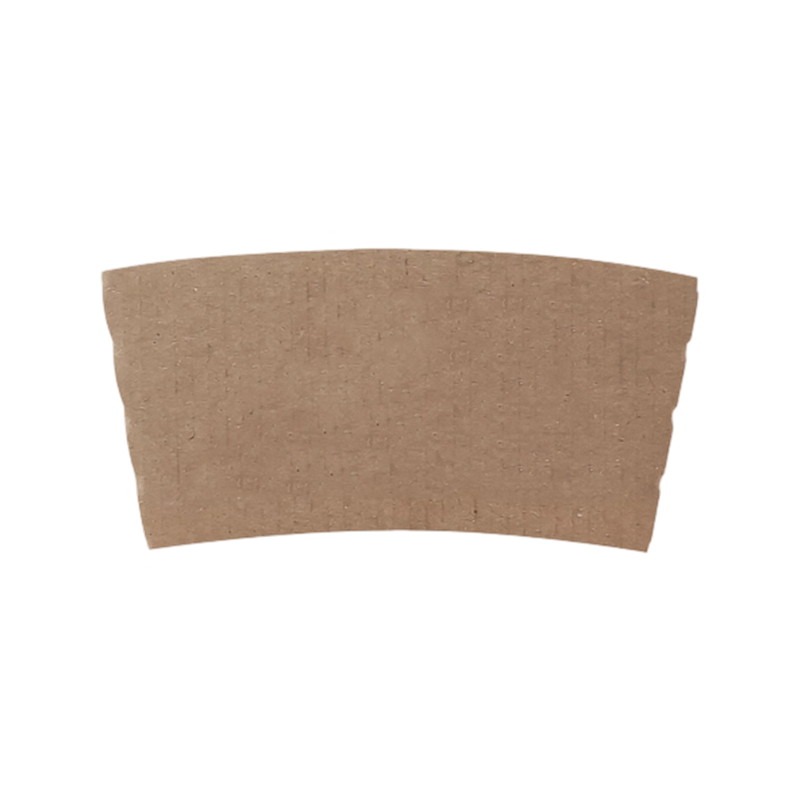
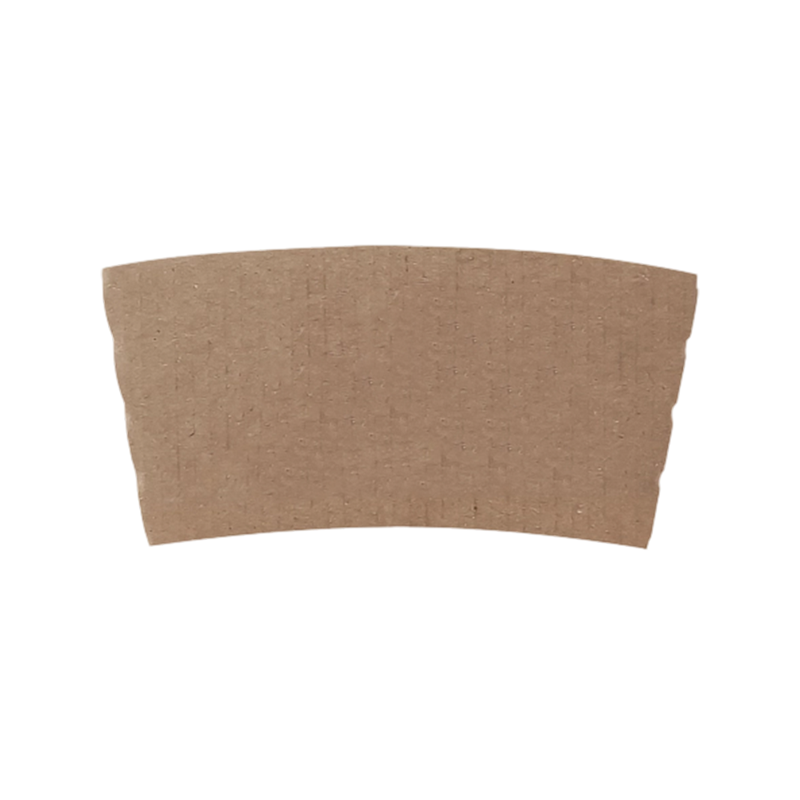
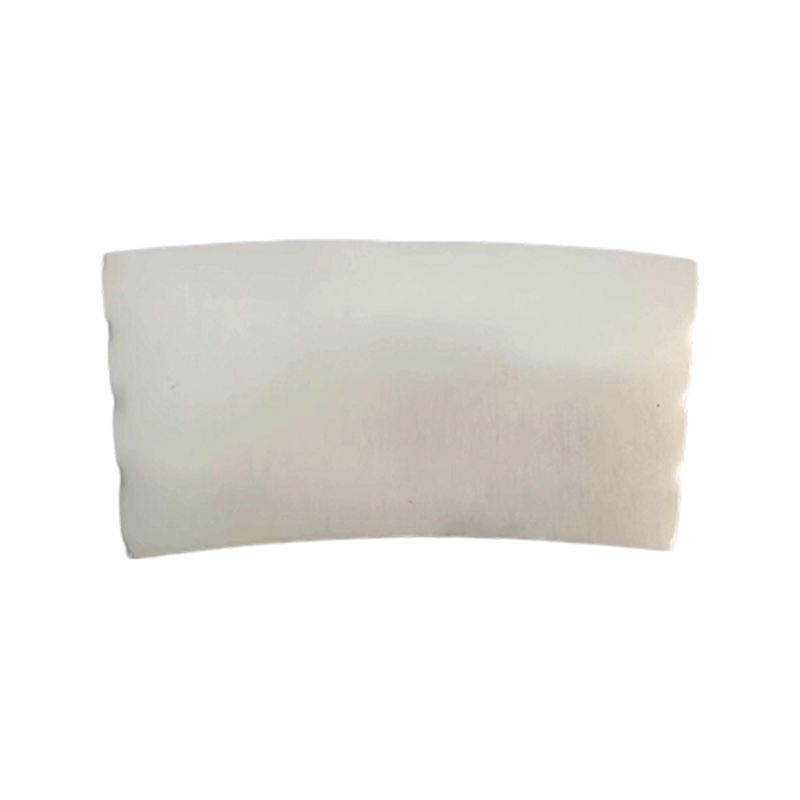
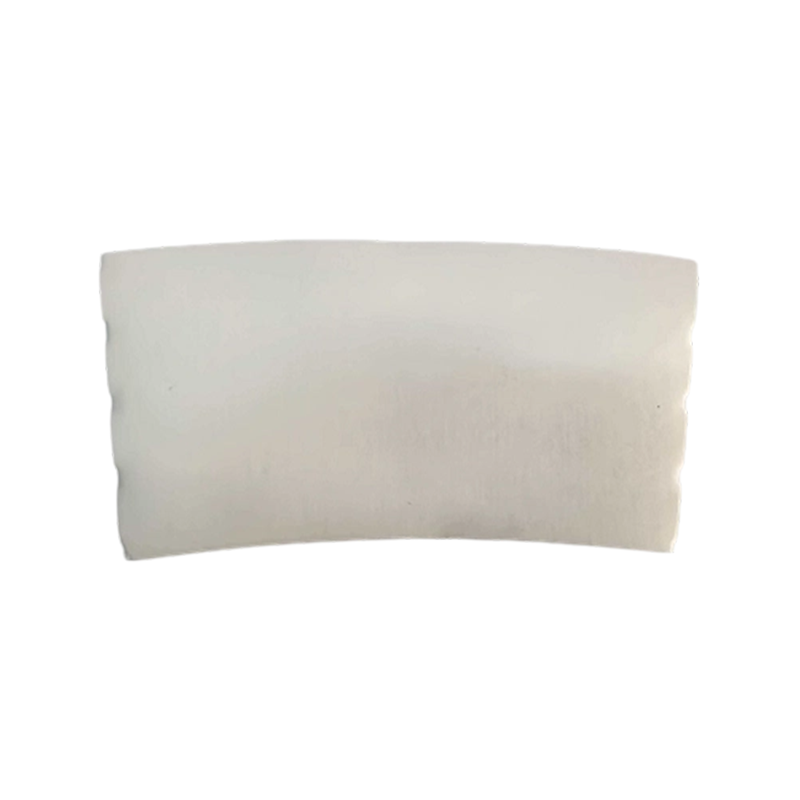
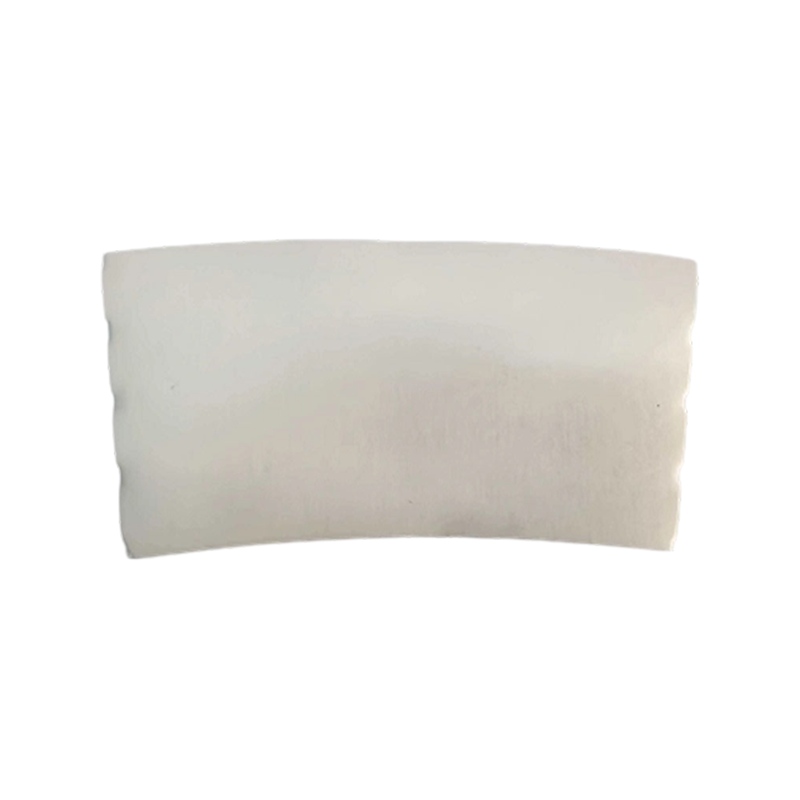
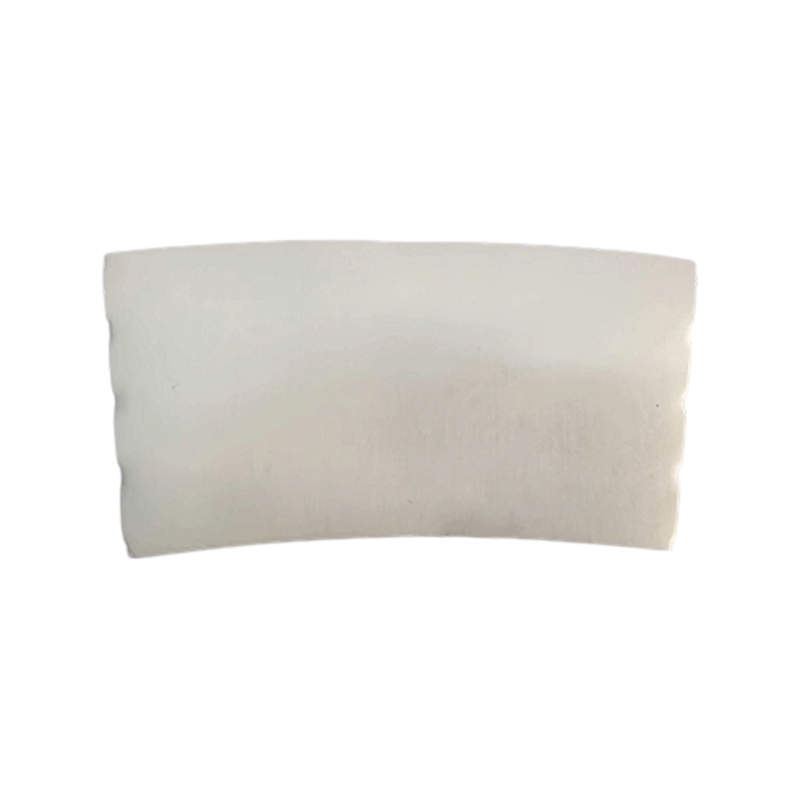
Cup sleeves are paper holders placed around hot beverage cups to improve grip and reduce heat transfer. Available in kraft paper and white paper options, they fit cup sizes from 8 oz to 20 oz and are widely used by coffee shops, tea stores, restaurants, takeaway services, hotels, schools, retail chains, and promotional events.
Made from food-grade recyclable corrugated paper, these sleeves provide reliable insulation while helping customers hold hot drinks comfortably. The corrugated structure also improves slip resistance and supports clear, high-quality printing for brand visibility.
Custom printing is available for logos, brand names, slogans, colors, and graphic designs. Sizes, shapes, and artwork can be adjusted to match different packaging requirements and marketing needs.
OEM / Bulk Supply for Coffee Chains & Food Brands





A box used to be a pretty simple thing. Put the product inside, tape it up, and ship it out. Th...
Takeaway coffee is part of everyday life for a lot of people. They grab a cup before work, betwe...
A takeaway coffee may only need a cup, lid, and drink, but there is another small part of the packag...
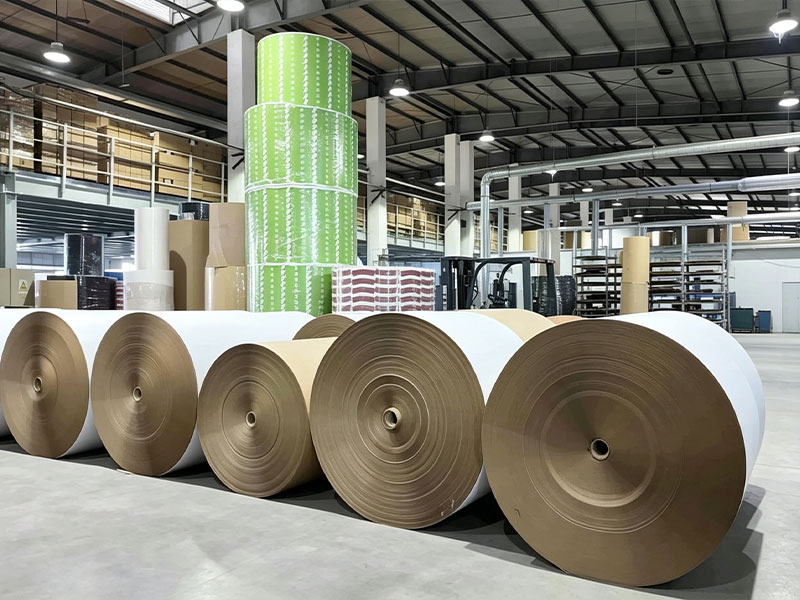
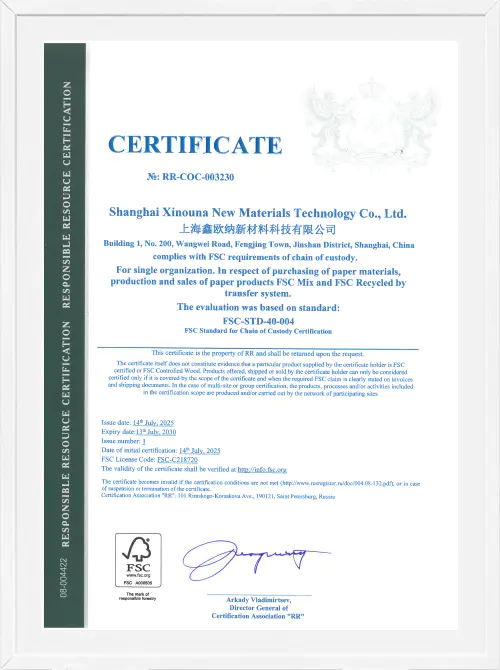
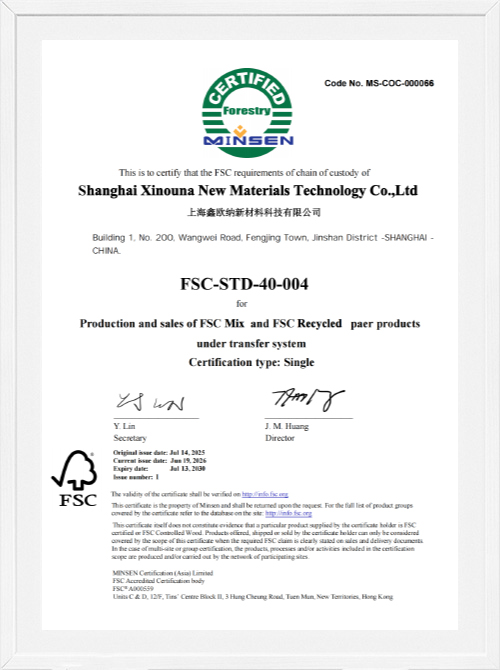
Shanghai Xinona New Material Technology Co., Ltd. was established on February 14, 2022. The company ...
Shanghai Xinona New Material Technology Co., Ltd. was established on February 14, 2022. The company ...
Shanghai Xinona New Material Technology Co., Ltd. was established on February 14, 2022. The company ...
A cup sleeve is a small packaging component with a very practical job. It creates a more comfortable holding area around a hot cup, improves grip and gives beverage brands an additional place to communicate with customers.
The result, however, depends on more than adding a piece of paper around the cup. Paper grade, corrugated profile, stiffness, sleeve curvature and joint position all affect how the sleeve behaves in use. Even cups marked with the same capacity can require different sleeve dimensions because their diameters and sidewall angles are not always identical.
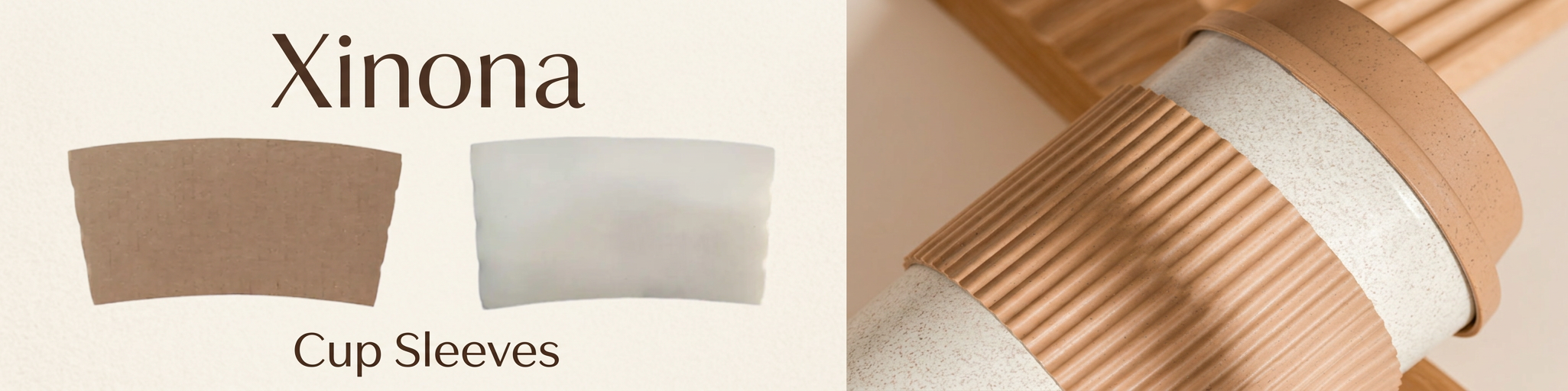
Xinona produces cup sleeves in kraft, white and corrugated paper structures. Size, texture, artwork and die-cut shape can be developed for different paper cups, including commonly used 8 oz, 12 oz, 16 oz and 20 oz formats.
Cup sleeves are shaped paper wraps fitted around the outside of beverage cups, particularly single-wall cups used for hot drinks. By covering the area normally held by the user, the sleeve reduces direct contact with the heated cup wall.
Typical applications include:
Depending on the intended use, sleeves may be supplied flat, pre-glued or formed. Their surfaces can be smooth, embossed or corrugated, with natural kraft, white or printed finishes.
A suitable sleeve should wrap evenly around the cup and remain near the intended holding position. If its opening is too wide, it may rotate or move downward. If it is too narrow, the seam can be placed under excessive tension and the sleeve may be difficult to apply.
For this reason, sleeve development should be based on the actual cup profile—not simply on an 8 oz or 12 oz capacity label.
A hot drink cup needs to contain the beverage while remaining manageable for the customer. A paper sleeve adds protection where the cup is normally held, without requiring the entire cup wall to be made heavier.
This makes sleeves particularly useful for beverage businesses that use one cup range for several hot drinks or seasonal menus.
The table below summarizes the main roles of a properly matched sleeve.
| Function | How It Helps |
|---|---|
| Heat separation | Reduces direct contact between the hand and the hot cup wall |
| Improved grip | Adds texture and friction to the holding area |
| Handling comfort | Makes freshly prepared drinks easier to carry |
| Brand communication | Provides space for logos, messages, graphics and QR codes |
| Localized protection | Adds material around the holding area rather than the full cup |
| Visual completion | Creates a coordinated, more finished packaging appearance |
The sleeve should be evaluated together with the cup. Beverage temperature, cup-wall construction, covered area and sleeve fit all influence the level of comfort experienced by the user.
Cup sleeves can be made from different paper grades and structures. Material selection affects appearance, stiffness, print reproduction, grip and converting performance.
Kraft sleeves retain the natural brown tone and visible character of the paper. They are widely used for coffee, tea, bakery and takeaway packaging because they create a warm, understated appearance.
Kraft paper works especially well with:
Because the brown substrate influences printed colors, artwork should be tested on the actual paper. Pale colors may appear softer than expected, while white elements may require an opaque white ink.
Kraft grades can differ in shade, fiber content, surface smoothness and strength. These details should be confirmed when color consistency or repeat-order matching is important.
White sleeves provide a brighter and more neutral background. They are generally better suited to pale colors, detailed illustrations and artwork requiring clear color separation.
They are often selected for:
The white base improves visibility, but print quality still depends on paper smoothness, texture, ink absorption and printing pressure. Fine text and QR codes should be checked through physical proofing.
Corrugated sleeves contain raised channels or flutes that create structural depth. The air spaces formed by this profile help separate the hand from the hot cup, while the surface texture provides additional friction.
Available profiles may include:
The following comparison provides a general selection reference.
| Sleeve Type | Visual Character | Typical Use |
|---|---|---|
| Kraft cup sleeves | Natural, warm and tactile | Coffee, tea and bakery-style packaging |
| White cup sleeves | Bright, clean and modern | Detailed or colorful brand designs |
| Corrugated cup sleeves | Textured and functional | Hot takeaway drinks requiring grip and heat separation |
| Printed cup sleeves | Branded and promotional | Campaigns, events and seasonal beverage ranges |
Material names alone do not define performance. Paper weight, flute dimensions, overall thickness and sleeve fit should be reviewed together.
Corrugated paper contains raised ridges that form small air spaces within the sleeve structure. These spaces reduce direct contact with the cup wall and help slow the movement of heat toward the user’s hand.
The corrugated surface also creates additional contact points. Compared with a smooth cup wall, this texture can make the beverage easier to hold, especially during takeaway service.
Performance is affected by flute geometry and paper condition. If the profile is heavily compressed during printing, cutting or packing, the air spaces may become smaller. A thicker-looking sleeve is therefore not necessarily the most effective option.
Several connected factors determine how a corrugated sleeve performs.
| Structural Detail | Effect on Performance |
|---|---|
| Corrugation height | Influences air space, structural depth and tactile feel |
| Ripple spacing | Affects texture, flexibility and visual appearance |
| Paper thickness | Contributes to stiffness and resistance to compression |
| Grain direction | Changes bending behavior, texture direction and grip |
| Creasing position | Helps the sleeve form around the cup predictably |
| Joint design | Controls seam strength and overlap flatness |
| Die-cut accuracy | Determines edge quality, curvature and final fit |
| Compression level | Affects flute height and available insulating space |
An effective structure should feel stable without becoming unnecessarily bulky. It must retain enough stiffness to support the cup while remaining flexible enough to follow the cup’s taper.
Cup sleeves are commonly classified for 8 oz, 12 oz, 16 oz and 20 oz cups. These labels are useful for initial discussions, but they should not be treated as fixed size standards.
Two 12 oz cups from different suppliers may have different upper diameters, lower diameters and wall angles. A sleeve that fits one may slide on the other.
Accurate development normally requires:
The table below describes common applications rather than universal dimensions.
| Cup Sleeve Size | Common Beverage Use | Fit Consideration |
|---|---|---|
| 8 oz cup sleeves | Small coffee, tea and espresso-based drinks | Compact coverage and accurate curvature |
| 12 oz cup sleeves | Regular coffee, tea and hot chocolate | Balanced holding area and secure positioning |
| 16 oz cup sleeves | Large coffee, milk tea and specialty drinks | Wider coverage with suitable stiffness |
| 20 oz cup sleeves | Extra-large takeaway beverages | Strong shape retention and stable grip |
A well-fitted sleeve should remain in place when the cup is lifted and carried. It should not rotate excessively, move down the cup or create visible strain around the seam.
Sample fitting with the actual cup is the most reliable approval method. A drawing can confirm dimensions, but physical testing reveals handling issues that may not be obvious on screen.
Cup sleeves are used in a wide range of commercial and institutional settings. Although their basic function remains the same, different applications may prioritize heat separation, branding, speed of use or visual consistency.
For coffee and tea service, sleeves help customers carry freshly prepared drinks more comfortably. They can also connect the cup with the wider brand identity.
Kraft sleeves often complement traditional café interiors and natural packaging. White or fully printed sleeves may be more appropriate for colorful campaigns, modern tea brands or seasonal product launches.
The sleeve specification should also account for the cup wall. A light single-wall cup may require different protection from a thicker or double-wall format.
Takeaway cups may be carried for longer periods, placed in drink carriers or handled while customers are walking. In these situations, secure fit and surface friction become especially important.
The sleeve should:
Packing format also matters. Sleeves used at high-volume counters should separate cleanly so staff can apply them quickly.
Paper sleeves can help create a consistent presentation in restaurants, hotel breakfast areas, meeting rooms and office pantries.
For self-service applications, practical requirements often include:
A printed logo or simple message can also connect beverage service with the organization’s visual identity.
Custom-printed sleeves are useful for short-term campaigns because they can update the look of a standard cup without requiring a completely new cup order.
They may display:
Since customers hold the sleeve directly, its artwork remains visible during much of the beverage experience.
| Application Scene | Main Requirement |
|---|---|
| Coffee service | Heat separation, comfortable grip and brand presentation |
| Tea drinks | Secure fit, clean appearance and easy handling |
| Foodservice areas | Fast application and consistent quality |
| Hotels and meetings | Neat presentation and reliable performance |
| Offices and schools | Simple distribution and comfortable handling |
| Events | Strong visual identity and campaign flexibility |
Customization can involve much more than placing a logo on a standard sleeve. Paper type, sleeve dimensions, surface profile, seam position and artwork should be developed as one packaging system.
Available options may include:
A custom shape should still remain easy to manufacture, pack and apply. Decorative cutouts or unusual edges must not weaken the holding area or create uncomfortable contact points.
The selected paper influences how artwork appears. Kraft paper changes the perceived tone of many inks, while white paper provides a more neutral base. Corrugated surfaces may also affect fine lines and solid-color coverage.
| Design Element | Practical Note |
|---|---|
| Logo | Bold shapes and adequate contrast improve visibility |
| Small text | Requires sufficient size, weight and clear spacing |
| Light colors | May appear muted on natural kraft paper |
| White ink | Opacity should be tested on the selected substrate |
| Large color areas | Require consistent ink transfer and drying |
| QR codes | Need adequate size, contrast and scan testing |
| Sleeve structure | Must follow the cup taper and intended holding position |
| Texture direction | Influences artwork alignment, folding and tactile effect |
Simple designs often produce strong results on textured paper. Fine details can still be used, but they should be checked on a printed production sample rather than approved only from a digital file.
Cup sleeves normally remain outside the cup and do not directly contact the beverage. Even so, they are handled in foodservice environments and should be manufactured, packed and stored with suitable cleanliness controls.
Important considerations include:
Printed surfaces should not rub off easily during normal use. Strong odors from paper, ink or adhesive can negatively affect the beverage experience, even without direct food contact.
Requirements vary by destination and application. Buyers should communicate any applicable material, chemical, food-packaging or regulatory standards before sampling and production.
Paper sleeves can support packaging strategies focused on reducing plastic accessories and placing protective material only around the area where it is needed. Their lightweight construction may also simplify storage and distribution.
Kraft sleeves are often associated with sustainable packaging because of their natural appearance. However, visual style is not evidence of recyclability or environmental impact. Sustainability claims should be based on the actual fiber source, coatings, inks, adhesives and available recovery systems.
Depending on their construction, paper cup sleeves may provide:
Recyclability can be influenced by:
Terms such as recyclable, recycled, compostable and plastic-free should only be used when supported by the full product specification and relevant destination-market requirements.
A more responsible sleeve is not simply one that looks natural. It should also use an appropriate amount of material, fit the cup correctly and avoid unnecessary decoration or mixed components.
Xinona manufactures paper cup sleeves for coffee, tea and takeaway beverage packaging. Material, dimensions, texture and printing can be adjusted around the customer’s cup profile and visual requirements.
The development process considers both how the sleeve looks and how it performs during production, packing and everyday use.
Available capabilities include:
Because cup shapes vary between manufacturers, stated capacity should be treated as a starting reference. For accurate development, customers can provide:
These details help reduce fitting revisions and allow the material, die-cut profile and artwork position to be evaluated together.
Cup sleeves reduce direct contact with hot cup walls, improve grip and provide space for branding. They are commonly used with takeaway coffee, tea, hot chocolate and other warm drinks.
Common options include kraft paper, white paper and corrugated paper. Kraft offers a natural appearance, white paper supports bright printing, and corrugated structures provide texture and additional heat separation.
The raised paper profile creates small air spaces between the cup and the sleeve surface. These spaces reduce direct contact and help slow heat transfer, while the texture improves grip.
Sleeves are often produced for 8 oz, 12 oz, 16 oz and 20 oz cups. Final dimensions should be based on the cup’s actual diameter, height and taper because capacity labels are not universal size standards.
Kraft sleeves have a natural brown surface suited to warm, understated designs. White sleeves provide a brighter base for pale colors, detailed graphics and multicolor printing.
Yes. Custom sleeves can include logos, text, illustrations, QR codes and promotional graphics. Print results depend on the paper color, surface texture, ink and artwork detail.
Paper-based sleeves may be recyclable where suitable collection and processing systems exist. Coatings, films, inks, adhesives and contamination can affect local acceptance.
Check heat separation, grip, stiffness, edge quality, print clarity, seam strength and fit on the actual cup. A good sleeve should apply easily, stay in position and remain comfortable during normal handling.
Cup sleeves may occupy only a small area of beverage packaging, but they have a noticeable effect on comfort, grip and brand presentation. A reliable sleeve needs the right combination of paper strength, structural depth, cutting accuracy and cup fit.
Kraft paper creates a natural and familiar appearance. White paper supports clean, colorful printing, while corrugated profiles add texture and useful separation from the heated cup wall. The best option depends on the actual cup, serving temperature, artwork and use environment.
Xinona develops custom cup sleeves by matching the paper structure and die-cut profile to the customer’s cup system. With accurate cup measurements, suitable artwork and physical sample approval, the finished sleeve can provide a secure fit, clear presentation and consistent performance across production batches.
Are You Ready To Customize Your Product?
Custom products available. We look forward to your cooperation.
Quick Link
Contact Information
Tel: 86-188 5739 3958
Tel: 86-136 5198 9100
E-mail: info@xinonapaper.com
Address: 200 Wangwei Road, Fengjing Town, Jinshan District, Shanghai

 English
 Español
 عربى
عربى