
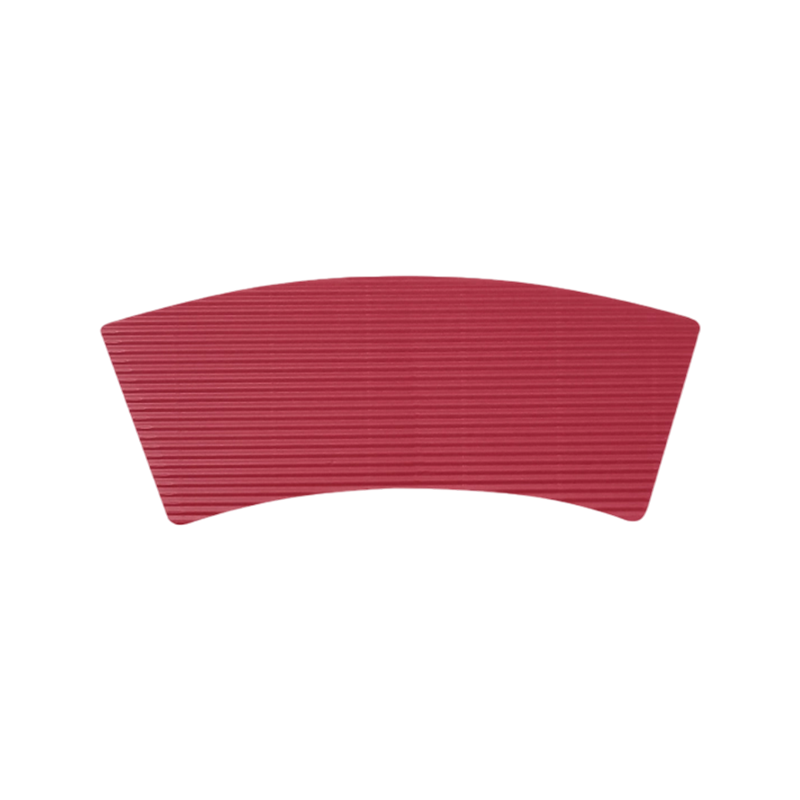
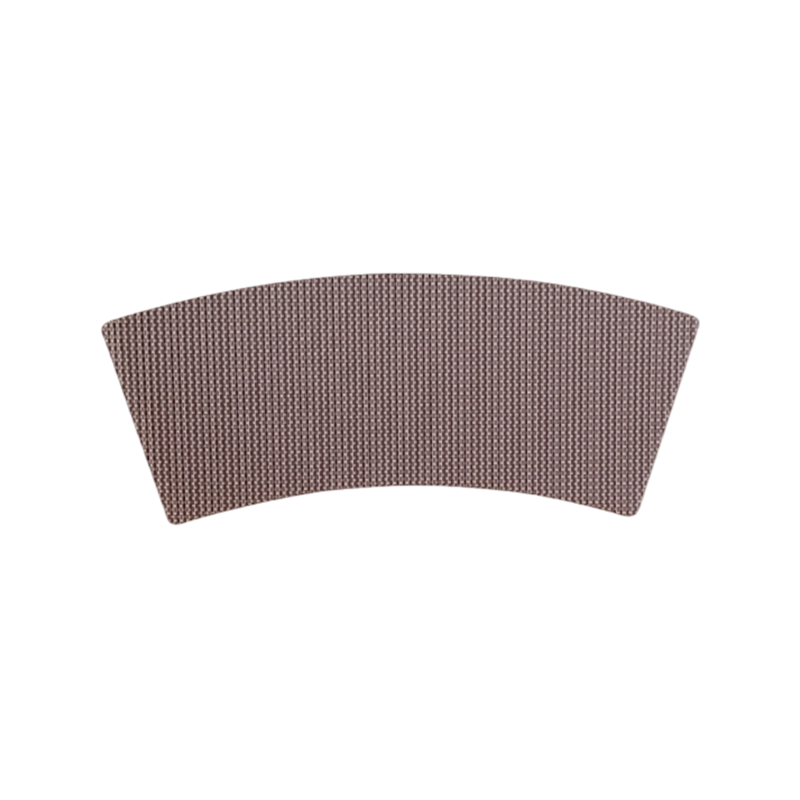
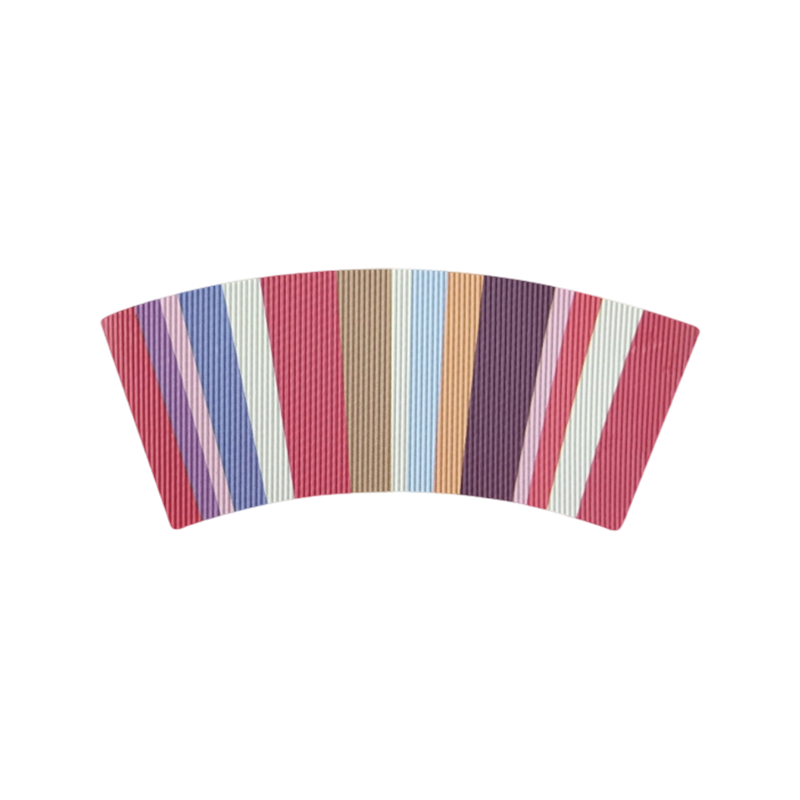
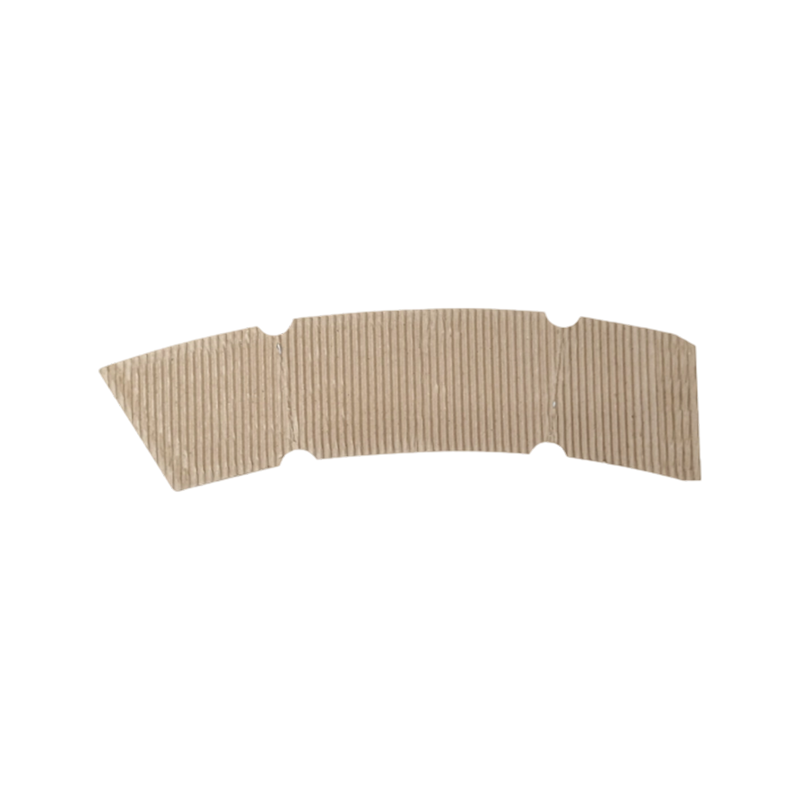
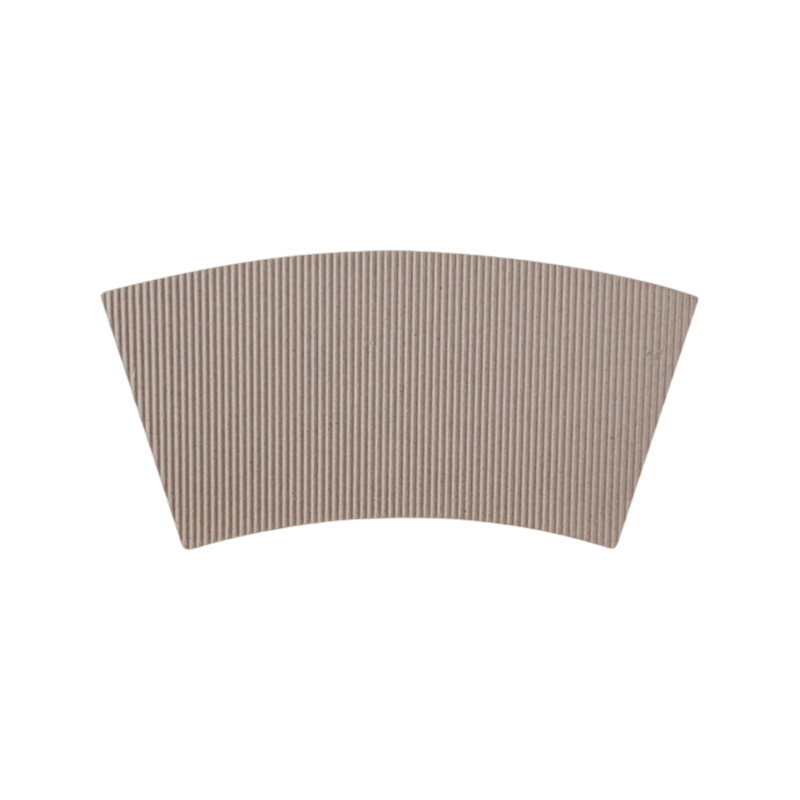
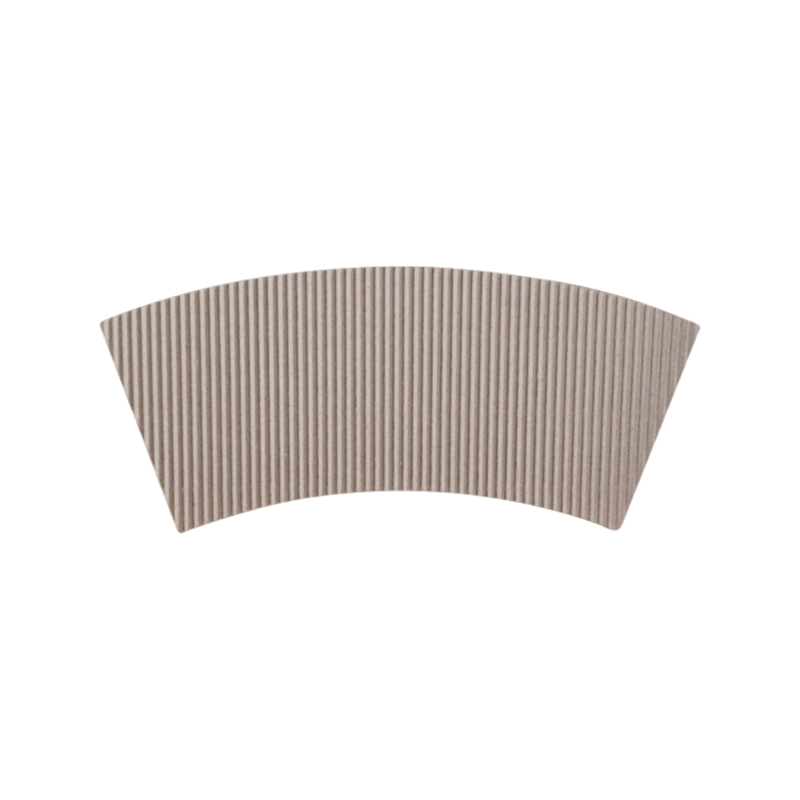
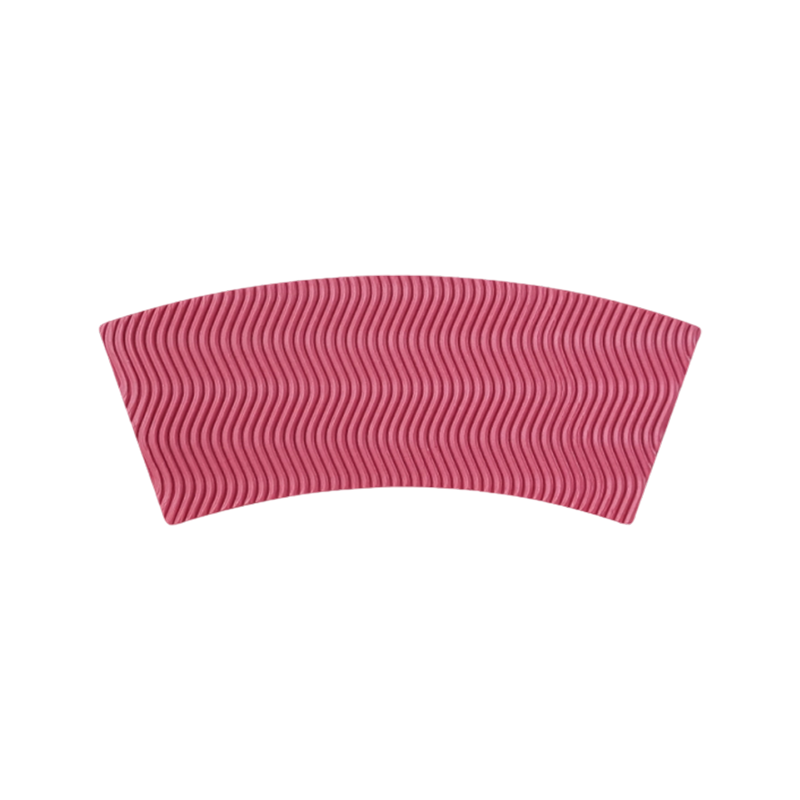
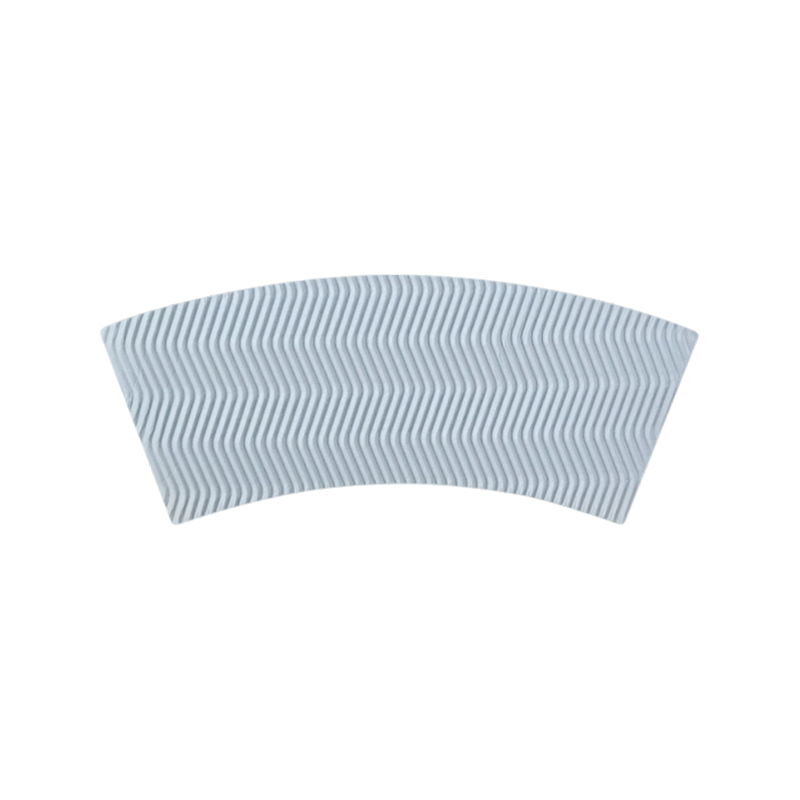
Cup sleeve blanks are corrugated paper sheets used as the base material for manufacturing cup sleeves and beverage cup wraps. They are supplied in various flute profiles, including E Flute Horizontal Corrugated Blanks, Small F Flute Prague Pattern Blanks, G Flute Fine Corrugated Blanks, E Flute Micro Corrugated Blanks, X Flute, U Flute, S Flute, Small S Flute, and J Flute Corrugated Cup Sleeve Blanks. Different flute structures provide varying levels of insulation, rigidity, surface texture, and printing performance.
These materials are widely used by cup sleeve converters, packaging manufacturers, beverage brands, coffee chains, and printing companies for hot drink packaging applications. Food-grade recyclable corrugated paper offers reliable heat resistance while supporting sustainable packaging requirements. Advanced corrugating and printing capabilities ensure consistent flute formation, smooth surfaces, and clear graphic reproduction.
Customization is available for sheet dimensions, flute types, thickness, colors, printed logos, brand messages, and artwork.
OEM / Bulk Supply for Coffee Chains & Food Brands






A box used to be a pretty simple thing. Put the product inside, tape it up, and ship it out. Th...
Takeaway coffee is part of everyday life for a lot of people. They grab a cup before work, betwe...
A takeaway coffee may only need a cup, lid, and drink, but there is another small part of the packag...
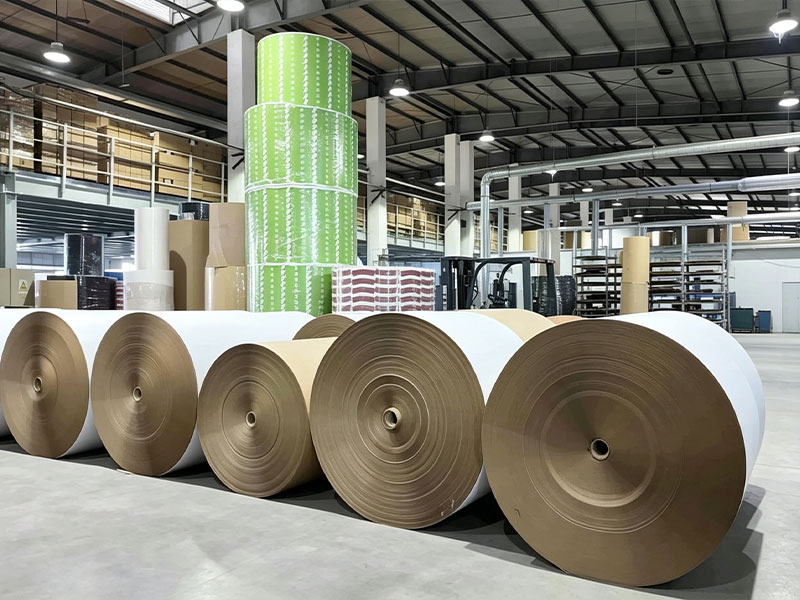
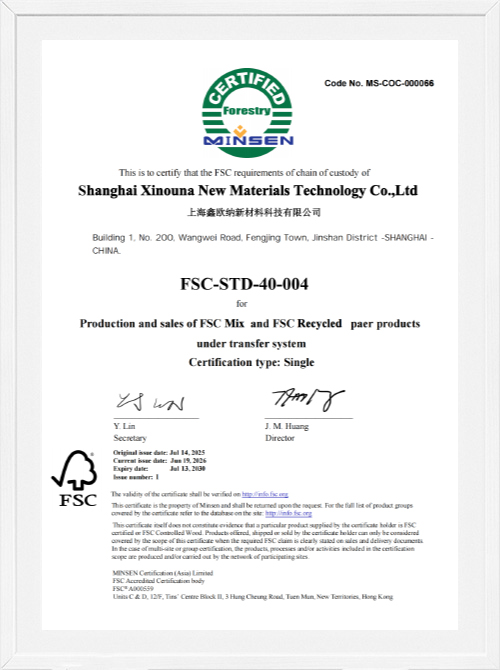
Shanghai Xinona New Material Technology Co., Ltd. was established on February 14, 2022. The company ...
Shanghai Xinona New Material Technology Co., Ltd. was established on February 14, 2022. The company ...
Shanghai Xinona New Material Technology Co., Ltd. was established on February 14, 2022. The company ...
A paper cup sleeve may appear to be a simple piece of packaging, but its performance begins long before it is wrapped around a cup. The paper combination, flute profile, ripple direction and blank dimensions all influence how the finished sleeve feels, folds and fits.
For coffee shops, packaging converters and cup sleeve manufacturers, choosing the right cup sleeve blank is therefore not only a matter of appearance. The material must provide practical heat separation, sufficient stiffness and reliable converting performance—all while remaining comfortable to hold.
This guide explains the main structural features of corrugated cup sleeve blanks and the specifications buyers should review before placing an order.
A cup sleeve blank is a pre-cut or prepared paperboard component used to make a protective sleeve for takeaway coffee cups and other hot beverage containers.
Depending on the production method, the blank may be supplied as:
After die-cutting, printing and joining, the blank forms the familiar sleeve that fits around the outside of a disposable cup.
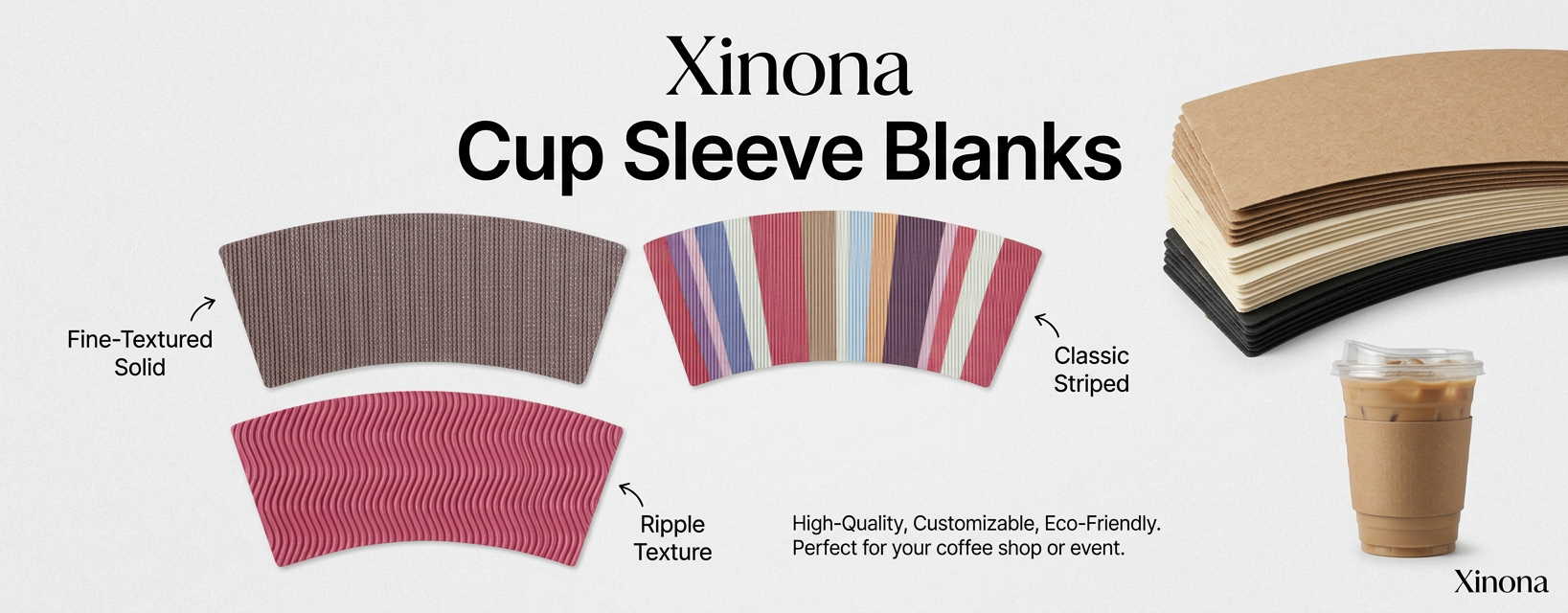
Unlike a flat paper sheet, corrugated cup sleeve material contains a shaped paper layer that creates small air spaces within the structure. These spaces help reduce direct contact between the hot cup wall and the user’s hand. The corrugated profile also gives the sleeve body, cushioning and a more secure grip.
The blank determines many of the finished sleeve’s physical characteristics. Printing and decoration can improve its presentation, but they cannot compensate for a material structure that is poorly matched to the cup.
The fluted layer forms an air gap between the cup and the outer surface of the sleeve. This structure helps slow heat transfer and makes a hot drink more comfortable to carry.
Actual performance depends on several factors, including:
For this reason, flute height alone should not be treated as a complete measure of insulation.
A cup sleeve must bend around the cup without becoming weak or unstable. Corrugated paperboard provides structural depth without requiring a heavy, solid sheet.
A suitable blank should hold its shape during handling while still folding cleanly along the intended direction.
The ripple profile affects both appearance and touch. A fine corrugated surface feels different from a deeper, more pronounced flute.
Some applications call for a neat, understated texture. Others use a more visible ripple to create a stronger tactile effect and a recognizable packaging style.
Cup sleeve blanks may pass through printing, die-cutting, creasing, folding, gluing or laminating processes. Variations in thickness, moisture, flute direction or paper tension can affect production consistency.
A stable blank can help support:
The flute is the wave-shaped paper layer within the corrugated structure. Its spacing and depth influence the sleeve’s thickness, stiffness, surface texture and ability to wrap around a cup.
Flute names such as E, F, G, S, U or X may be used in different corrugated material systems. However, the letter designation should not be considered in isolation. Flute dimensions and terminology can vary between suppliers and production lines.
When comparing cup sleeve blanks, it is more useful to examine the actual ripple width, ripple height, paper combination and finished board thickness.
Fine ripple material has closely spaced corrugations and a relatively subtle texture. It is often selected when the sleeve needs a clean surface and controlled folding characteristics.
Typical benefits include:
Micro-corrugated cup sleeve blanks use a compact flute structure to balance low material weight with practical stiffness.
They may be suitable for:
The exact result still depends on the liner paper, flute paper and bonding quality.
A medium ripple creates a more visible corrugated appearance. It can provide a stronger hand feel and greater structural depth than a fine profile.
This construction is commonly considered for standard hot drink sleeves where both grip and visible texture are important.
A deeper ripple creates a bolder surface and a more noticeable cushioning effect. It may be appropriate when the design calls for a strong tactile identity.
However, a higher profile is not automatically the best option. It may require closer evaluation of:
The most suitable flute is the one that works with the finished sleeve design—not simply the thickest available profile.
Supplier codes make it easier to identify and reorder a particular cup sleeve material. Because code systems are not universal, buyers should request a specification sheet rather than relying on a product name alone.
A product code may identify one or more of the following:
When requesting samples or quotations, use the full code together with the required dimensions and cup information. This reduces the risk of confusing materials that look similar but behave differently during converting.
Ripple width generally describes the horizontal spacing of the corrugated waves, often measured from one repeating point to the next.
Ripple width affects the visual rhythm of the sleeve as well as its bending behavior.
Ripple height refers to the depth of the corrugated profile. It contributes to the air space, total thickness and tactile character of the material.
A higher ripple may provide greater structural depth, while a lower ripple may create a flatter and more compact surface. The effect should always be evaluated together with paper weight and liner construction.
Direction is easy to overlook, but it can influence how the blank folds and wraps around the cup.
Horizontal and vertical ripple arrangements respond differently to bending and compression. The correct orientation depends on:
Ripple direction should therefore be confirmed before mass production, particularly for custom sleeve designs.
The following overview shows how different corrugated structures may suit different packaging requirements. Final suitability should be verified using the actual cup and sleeve design.
| Structure | Typical Characteristics | Potential Benefit | Common Use |
|---|---|---|---|
| Fine ripple | Narrow spacing and controlled height | Smooth touch and refined appearance | Premium or design-focused sleeves |
| Micro corrugated | Compact flute with lightweight construction | Balance of stiffness and flexibility | Lightweight takeaway cup sleeves |
| Medium ripple | Moderate spacing and visible texture | Recognizable grip and structural depth | Standard hot beverage sleeves |
| Higher ripple | Deeper, more pronounced profile | Strong tactile effect and cushioning | Sleeves with bold surface texture |
| Colored corrugated board | Colored liner, flute or visible paper layer | Decorative contrast and brand differentiation | Promotional and display-focused packaging |
| Directional ripple blank | Specified horizontal or vertical flute direction | Controlled bending and visual alignment | Custom die-cut sleeve formats |
This table is a starting point rather than a universal grading system. Sample testing remains important because paper composition, moisture and converting conditions can change the behavior of the finished sleeve.
Corrugated texture contributes to the visual identity of a cup sleeve, especially when the flute remains visible after forming.
Fine ripple and micro-corrugated structures create closely spaced surface details. They are often used where a subtle texture is preferred over a deep, industrial-looking corrugation.
Their compact profile can also make it easier to coordinate the surface with simple graphics, logos and brand colors.
Color may be introduced through the liner, fluting paper or other visible components of the board. This can create layered effects without relying entirely on printed ink.
For repeat orders, buyers should pay attention to:
Because paper is a natural material, reasonable color tolerances should be agreed upon before production.
Consistent ripple spacing and direction can become part of the packaging design. Decorative arrangements—sometimes described by suppliers using proprietary pattern names—may create a distinctive visual rhythm across the finished sleeve.
For this effect to remain uniform, the blank requires controlled:
When a pattern name such as Bragg Pattern appears in a product range, its exact construction should be confirmed through a drawing, sample or technical datasheet. Supplier-specific terms do not always describe a standardized flute grade.
A pronounced ripple can influence ink coverage, line sharpness and the appearance of small text. Designs intended for corrugated cup sleeves should account for the material’s texture.
Before production, consider checking:
A physical printed sample provides a more reliable reference than an on-screen design alone.
Selecting a cup sleeve blank starts with the finished application. The material should be matched to the cup, production method and desired user experience.
Provide the cup’s top diameter, bottom diameter, height and nominal capacity. Cups with the same stated capacity may still have different wall angles or diameters.
Whenever possible, send physical cup samples for fit evaluation.
Specify whether you require:
This helps determine the appropriate material width, cutting layout and flute direction.
Consider how the sleeve should feel in the user’s hand.
The best choice depends on the brand style as well as functional requirements.
Tell the supplier whether the blank will be printed, laminated, coated, embossed or processed in another way. Surface treatments can affect glue adhesion, folding and recycling considerations.
A production sample should be checked on the actual cup. Evaluation may include:
Testing the blank before a large order is a small step that can prevent a surprisingly large headache later.
Xinona supplies corrugated cup sleeve blank solutions for different cup formats, surface styles and converting requirements.
Our material selection focuses on the characteristics that influence the finished sleeve:
Available options may include fine ripple, micro-corrugated, visible-texture and colored corrugated structures. Blank dimensions, paper combinations, surface colors and processing requirements can be developed according to the project specification.
For accurate evaluation, buyers are encouraged to provide the cup dimensions, sleeve drawing, preferred surface effect and intended finishing process. This information helps match the blank structure to the actual production and end-use conditions.
A cup sleeve blank is the flat, pre-cut material before final joining or forming. A finished sleeve has already been glued, locked or otherwise assembled and is ready to place around a cup.
No. Thickness is only one factor. Flute geometry, paper combination, sleeve fit and air-space design also affect performance. An overly thick blank may create folding, gluing or packing difficulties.
Yes, but print quality depends on the surface profile, paper grade and printing method. Fine graphics and small text should be tested on the selected material before mass production.
Flute direction affects bending, folding strength, visual alignment and how the sleeve wraps around a tapered cup. It should be coordinated with the die-cut layout and sleeve structure.
Sometimes, but only within a limited dimensional range. Cups with similar capacities may have different diameters and tapers, so fit testing is necessary.
Check the material code, dimensions, ripple profile, flute direction, color, printing, fold position, glue joint and fit on the actual cup. The approved sample should serve as the reference for production.
A reliable cup sleeve begins with a blank that suits the cup and the converting process. Flute type, ripple dimensions, paper structure and surface treatment should be evaluated together rather than as separate specifications.
Fine ripple and micro-corrugated materials can support a compact, refined appearance. More pronounced profiles provide stronger visual texture and a fuller hand feel. Neither option is universally better—the right choice is the one that delivers the intended fit, appearance and handling performance.
By reviewing cup dimensions, ripple direction, processing requirements and physical samples before production, buyers can achieve a more consistent result from blank to finished sleeve. Xinona develops corrugated cup sleeve blanks around practical fit, stable material structure and repeatable surface quality for custom packaging applications.
Are You Ready To Customize Your Product?
Custom products available. We look forward to your cooperation.
Quick Link
Contact Information
Tel: 86-188 5739 3958
Tel: 86-136 5198 9100
E-mail: info@xinonapaper.com
Address: 200 Wangwei Road, Fengjing Town, Jinshan District, Shanghai

 English
 Español
 عربى
عربى