OEM / Bulk Supply for Coffee Chains & Food Brands

A box used to be a pretty simple thing. Put the product inside, tape it up, and ship it out. Th...
Takeaway coffee is part of everyday life for a lot of people. They grab a cup before work, betwe...
A takeaway coffee may only need a cup, lid, and drink, but there is another small part of the packag...
Shanghai Xinona New Material Technology Co., Ltd. was established on February 14, 2022. The company ...
Shanghai Xinona New Material Technology Co., Ltd. was established on February 14, 2022. The company ...
Shanghai Xinona New Material Technology Co., Ltd. was established on February 14, 2022. The company ...
Paper packaging is used throughout cafés, bakeries, restaurants, hotels and takeaway food businesses. Although the final products vary—from a small coffee cup sleeve to a large pizza box—they share the same basic purpose: protecting the product while making it easier to serve, carry and present.
Material choice is only one part of the process. Paper strength, structural design, surface treatment, dimensions and converting accuracy all influence the finished package. A cup sleeve must remain secure around a tapered cup. A cake box needs enough support to protect delicate decoration. A pizza box must retain its shape while managing heat, steam and grease under intended conditions.
Shanghai Xinona New Material Technology Co., Ltd. develops paper packaging products for beverage and foodservice applications. The product range includes cup sleeves, cup sleeve blanks, corrugated cups, cake packaging and pizza packaging, with options for customized materials, dimensions, structures and printed artwork.
Paper packaging requirements change according to the product being packed. Beverage packaging often focuses on heat separation and comfortable handling, while food boxes place greater emphasis on support, closure and protection during transport.
The following table provides a general overview of Xinona’s main product categories.
| Product Category | Main Function | Typical Applications |
|---|---|---|
| Cup Sleeves | Heat separation, grip and branding | Coffee, tea, hot chocolate and takeaway drinks |
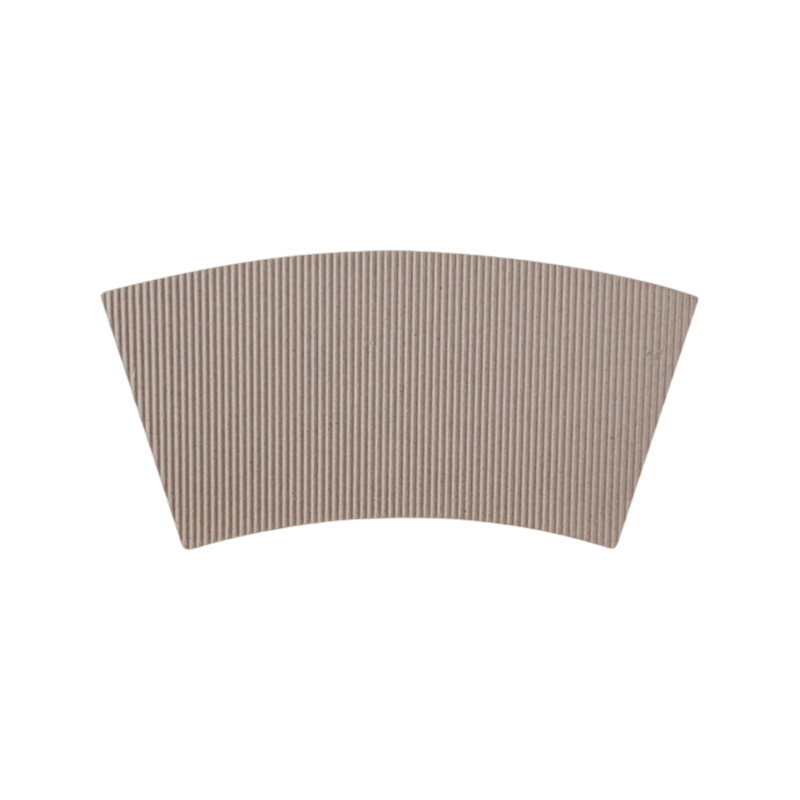
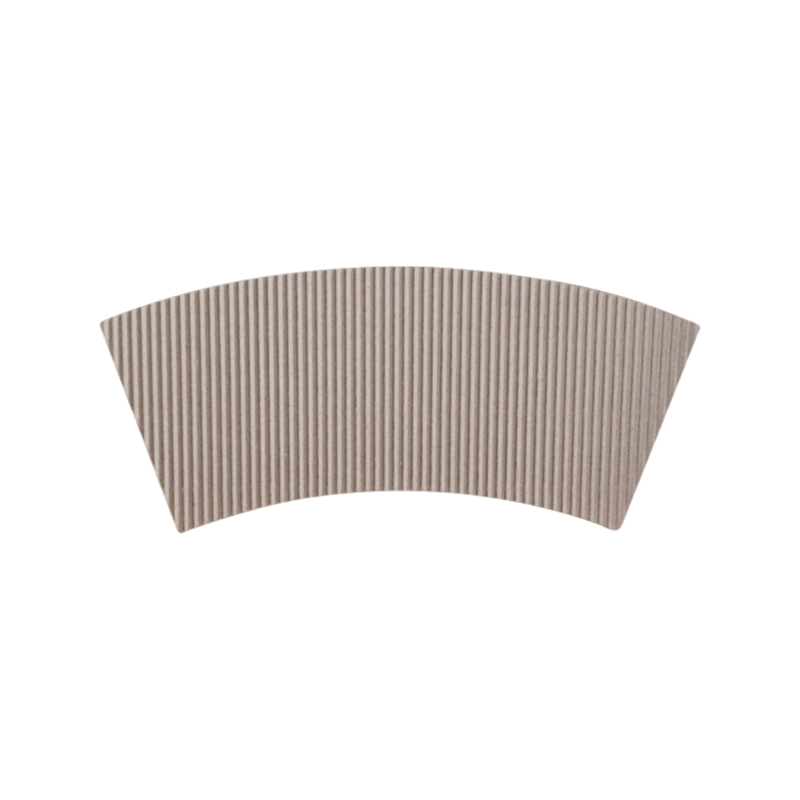
| Cup Sleeve Blanks | Material base for printing and converting | Custom sleeves, localized printing and packaging development |
| Corrugated Cups | Improved hand comfort and cup-wall support | Hot coffee, tea and other takeaway beverages |
| Cake & Pizza Packaging | Food protection, carrying and presentation | Cakes, desserts, pizza, bakery products and prepared food |
Selecting a category is only the starting point. Each product must also be matched to the contents, filling conditions, delivery method, storage environment and intended presentation.
A packaging sample that looks good when empty may behave differently once it is filled, stacked or carried. For this reason, practical testing should form part of the development process.
Effective packaging needs to perform throughout production, filling, transport and use. The priorities differ by application, but most paper beverage and food packaging must meet several requirements at the same time.
Packaging for hot beverages should create suitable separation between the heated container and the user’s hand. Paper structure, air space, cup-wall construction and material compression all influence the result.
Corrugated, embossed or textured surfaces provide more friction than smooth paper. This can make cups and takeaway packages easier to hold.
Packaging should retain its shape during normal filling, stacking, carrying and storage. The required strength depends on the weight and dimensions of the product.
Paper, ink, coating and adhesive specifications should be selected for the intended application and destination-market requirements. Clean production, packing and storage are also important.
Packaging can carry logos, product descriptions, preparation instructions, QR codes and promotional artwork. Graphic design must account for folds, seams and curved surfaces.
The objective is not simply to use thicker paper. A suitable structure can provide the necessary support while avoiding excess material and unnecessary bulk.
Paper-based packaging can support material-reduction and recycling strategies, but environmental claims must reflect the complete product construction and local recovery infrastructure.
These functions are closely connected. Increasing thickness may improve stiffness but make folding more difficult. Adding a coating may improve surface resistance while changing recyclability or adhesive compatibility. The complete package should therefore be evaluated as one system.
Paper selection affects much more than color. Fiber composition, basis weight, surface smoothness, stiffness and moisture behavior all influence printing, die-cutting, forming and finished-package performance.
Kraft paper is recognized by its natural brown appearance and visible fiber character. It is often selected for coffee, bakery and takeaway food packaging where the paper itself is intended to remain part of the design.
Its warm surface works well with:
Because the brown substrate influences ink color, pale tones may appear softer than they would on white paper. White artwork may require a dedicated opaque ink, while large solid areas should be tested for coverage and consistency.
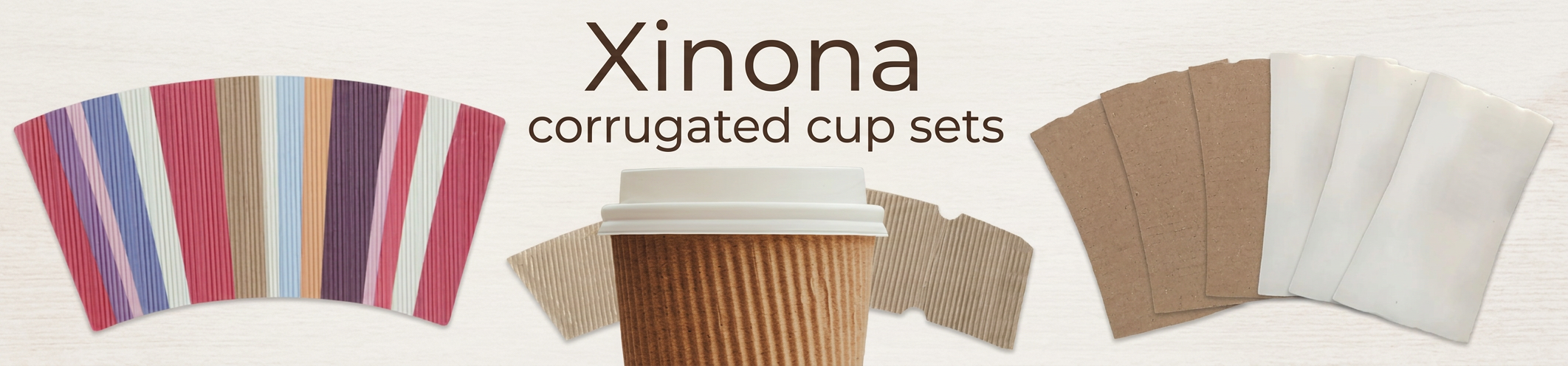
Different kraft grades can vary in shade, recycled content, strength and smoothness. These details should be specified when consistent appearance across repeat orders is important.
White paper provides a bright, comparatively neutral base for printing. It is often chosen for designs containing multiple colors, detailed illustrations, light tones or strong visual contrast.
Common advantages include:
The white surface does not guarantee identical print results across all paper grades. Coating, absorbency, texture and printing method still affect sharpness, drying and color appearance.
Corrugated paper contains a formed or fluted layer that creates depth and small air spaces. Depending on the construction, it can add insulation, stiffness, cushioning and tactile texture without relying on a solid, heavy sheet.
It is commonly used for:
Flute height, spacing, paper combination and compression determine how the material performs. Corrugated paper that has been crushed during printing or packing may lose structural depth and part of its cushioning or insulating effect.
| Material Type | Main Characteristics | Suitable Products |
|---|---|---|
| Kraft Paper | Natural appearance, visible fibers and practical strength | Kraft sleeves, bakery boxes and takeaway packaging |
| White Paper | Bright surface and flexible printing performance | White sleeves and color-printed packaging |
| Corrugated Paper | Structural depth, texture, cushioning and insulation | Cup sleeves, corrugated cups and protective food boxes |
| Food Packaging Paper | Selected for food-related packaging environments | Beverage cups, cake boxes, pizza boxes and food containers |
The right material should match the product’s weight, temperature, moisture exposure, print requirements and handling conditions—not just the preferred color.
Corrugated structures provide strength through geometry. A fluted layer creates depth and repeated supporting points, allowing the paper to perform differently from a flat sheet of similar weight.
In beverage applications, the air spaces formed by the corrugation create separation between the hot cup and the holding surface. The raised profile also improves grip by adding texture.
For food boxes, corrugated structures can contribute to:
Performance depends on the complete board construction. Paper grade, flute profile, adhesive bonding and converting pressure all affect the finished material.
The following factors should be reviewed together when developing corrugated packaging.
| Structural Factor | Effect on Packaging Performance |
|---|---|
| Corrugation height | Influences structural depth, cushioning and heat separation |
| Flute spacing | Affects flexibility, stiffness and surface appearance |
| Paper thickness | Contributes to support and compression resistance |
| Grain direction | Changes folding behavior and dimensional response |
| Creasing position | Controls where and how the packaging folds |
| Die-cut accuracy | Determines edge quality, shape and assembly fit |
| Joint design | Influences closure strength and ease of assembly |
| Flute compression | May reduce thickness, air space and structural performance |
Thicker material is not always the best choice. A correctly designed lighter structure may perform better than heavier paper with unsuitable flute direction, weak creases or inaccurate cutting.
Each paper packaging category addresses a different handling or protection requirement. The intended product, filling process and user environment should be established before material and structure are finalized.
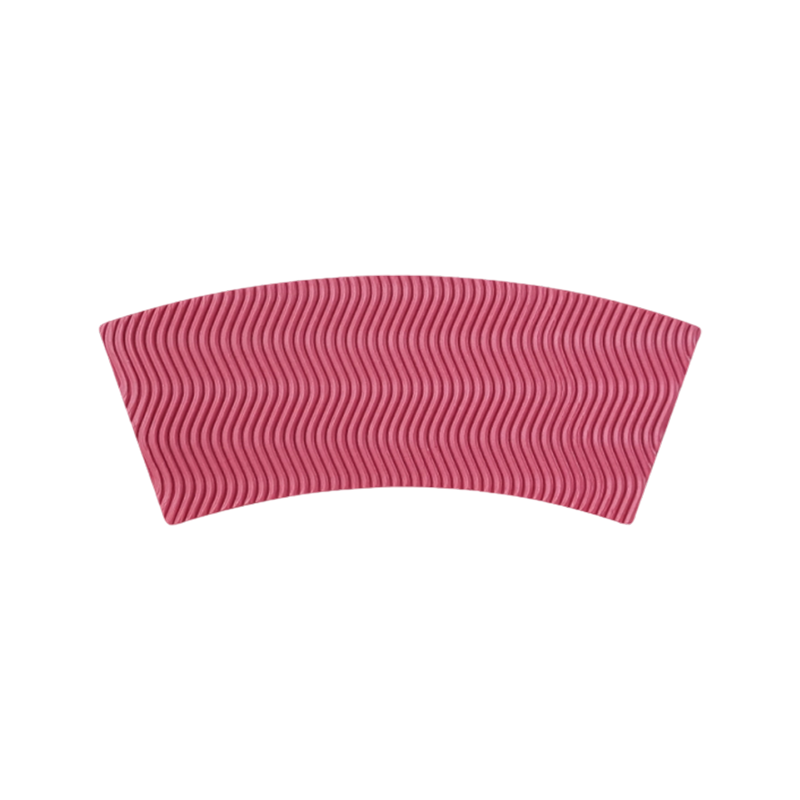
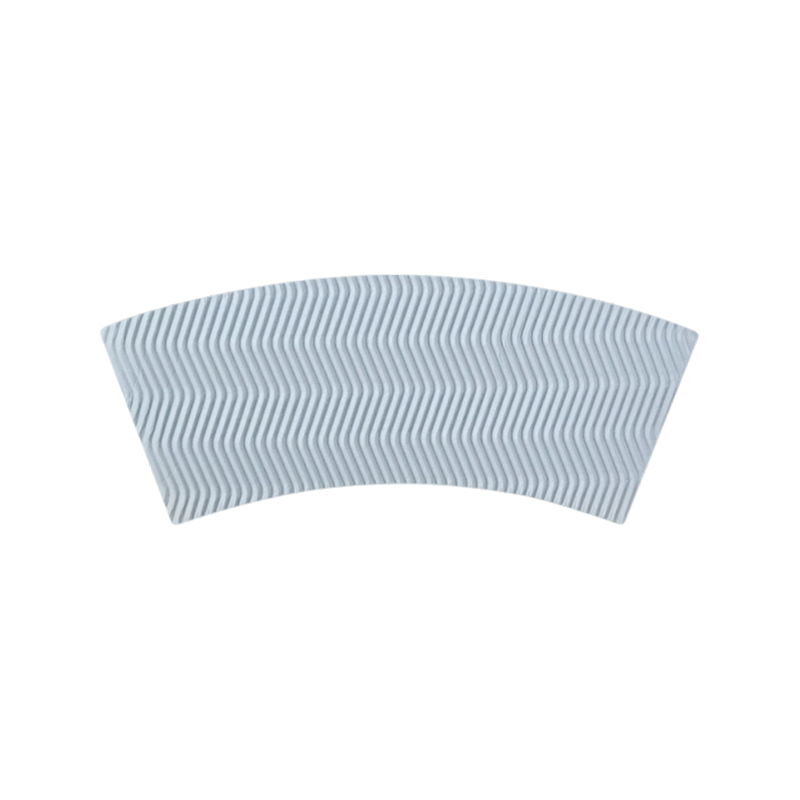
Cup sleeves are fitted around hot beverage cups to improve hand comfort, grip and presentation. They cover the area normally held by the customer without adding material to the full height of the cup.
Common options include:
The sleeve must follow the taper of the cup. If it is too wide, it may slide or rotate. If it is too narrow, it can be difficult to apply and may place excessive tension on the glued joint.
Important development details include:
Capacity labels provide an initial reference, but physical cup fitting remains the most reliable way to approve a sleeve.
Cup sleeve blanks are pre-cut or prepared components intended for additional printing, gluing, forming or other converting processes. They can be supplied for brands, packaging converters or local production facilities that require greater control over final decoration or assembly.
Relevant specifications include:
Consistency is particularly important. Variations in curvature, thickness or flute orientation can affect printing registration, folding and final cup fit.
Before placing a larger order, buyers should test the blanks using the intended printing, creasing and bonding equipment.
Corrugated cups use a structured outer paper layer to provide a textured holding surface and additional separation from the hot beverage. They can reduce the need for a separate sleeve in some service environments.
Key quality points include:
The complete cup should be tested with the intended beverage temperature and holding time. An attractive outer layer is useful, but rim quality and bottom sealing remain fundamental to actual cup performance.
Corrugated cups are commonly used for coffee, tea, hot chocolate and other takeaway drinks where comfort and presentation are both important.
Cake and pizza packaging must protect food that may be heavy, delicate, warm, greasy or difficult to carry. Unlike cup sleeves, these products usually need to provide support across several surfaces.
Cake packaging may require:
Pizza packaging may need:
The package should be sized around the actual food product. Excess internal space may allow movement, while insufficient clearance can damage decoration, toppings or crust edges.
Correct sizing affects protection, appearance, material use and packing efficiency. A package that is too large may allow unwanted movement. One that is too small may be difficult to assemble or can place pressure on the product.
For cups and sleeves, capacity is not a complete dimensional standard. Two cups sold as 12 oz may have different profiles depending on the manufacturer and mould.
Measurements normally required for sleeve development include:
Common sleeve references include 8 oz, 12 oz, 16 oz and 20 oz. Final dimensions should nevertheless be confirmed using a cup drawing or physical sample.
The sleeve should be checked for:
For cakes, pizza and bakery items, packaging dimensions should be based on the finished food rather than a general product name.
Useful information includes:
A properly matched package limits unwanted movement while leaving enough space for safe loading, closing and removal.
Prototype testing with the actual food or a realistic substitute helps identify issues that may not be visible in a flat structural drawing.
Customization can involve artwork, materials, dimensions and construction. These elements should be planned together because changes to one area may affect printing, folding or assembly.
Available options may include:
Artwork should be prepared using the final die line. Important content must remain clear of folds, cut edges, seams and locking areas.
For curved products such as sleeves and cups, graphics should also be reviewed in the formed state. A logo that appears centered on a flat drawing can look displaced after wrapping around a tapered cup.
Sampling is especially important for:
A successful custom design must work on the production line as well as in the artwork file. Packaging has a habit of exposing beautiful ideas that forgot about folding.
Paper color, texture and absorbency affect how ink appears. The same artwork may produce noticeably different results on kraft, white and corrugated materials.
| Paper Surface | Printing Characteristics | Design Suggestion |
|---|---|---|
| Kraft Paper | Brown substrate influences brightness and color tone | Use clear contrast, bold lines and carefully tested light colors |
| White Paper | Neutral surface supports brighter color reproduction | Suitable for detailed and multicolor artwork |
| Corrugated Paper | Raised texture may interrupt fine details | Avoid excessively small text and thin lines |
| Food Packaging Paper | Ink adhesion, odor and application suitability require attention | Select an appropriate ink system and confirm required documentation |
Kraft paper often works best when its natural color remains visible as part of the design. Dark graphics and limited-color artwork can create strong contrast without covering the entire surface.
White paper offers more flexibility for pale tones, gradients and detailed illustrations. However, color approval should still be based on a physical printed sample rather than a screen display.
Corrugated materials require special attention to printing pressure. Excess pressure may flatten the flute, while insufficient contact can result in uneven ink transfer. The print method should be selected according to the surface profile and artwork complexity.
Other points to evaluate include:
Shanghai Xinona New Material Technology Co., Ltd. supplies paper packaging products for hot beverages, bakery items, takeaway food and related foodservice applications.
Product development begins with the intended use. Cup dimensions, food size, packaging conditions, artwork and packing method are reviewed before the material and structure are finalized.
Xinona’s paper packaging capabilities include:
Quality evaluation may cover:
For custom development, customers can provide a physical sample, technical drawing, product dimensions, artwork, estimated quantity and delivery requirements. Clear information at the beginning helps reduce revisions and makes sample evaluation more efficient.
Available categories include cup sleeves, cup sleeve blanks, corrugated cups, cake packaging and pizza packaging. Materials, sizes, structures and printing can be adjusted for different beverage and foodservice applications.
Cup sleeves are fitted around hot drink cups to reduce direct contact with the heated cup wall and improve grip. They also provide space for logos, product information and promotional artwork.
Kraft paper has a natural brown appearance that suits simple or understated designs. White paper provides a brighter base for pale colors, detailed graphics and multicolor printing.
Its fluted structure creates small air spaces and a textured surface. These features can improve heat separation, stiffness and grip, depending on the paper construction and degree of compression.
Cup sleeve sizing should be based on the cup’s actual diameter, height, taper and sleeve position. Food-box sizing should consider the product’s dimensions, weight, clearance and delivery conditions.
Yes. Custom printing may include logos, text, illustrations, QR codes and seasonal graphics. Results depend on the paper color, texture, ink system and complexity of the artwork.
Many products are primarily paper-based and may be recyclable where suitable facilities exist. Coatings, films, adhesives, ink coverage and food contamination can affect local acceptance.
Check material consistency, strength, dimensions, die-cut edges, printing, folding, joint stability and fit with the actual product. Testing should reflect the intended filling, handling and transport conditions.
Paper beverage and food packaging must bring together material performance, structural design and visual presentation. A sleeve needs to fit the cup securely. A corrugated cup must remain stable after filling. Cake and pizza packaging must support the food while allowing convenient loading, carrying and opening.
The best result does not come from selecting the thickest paper or the most elaborate artwork. It comes from matching the paper grade, structure, dimensions and printing method to the actual application.
Xinona develops paper packaging around practical use requirements, from cup sleeves and blanks to corrugated cups and food boxes. Accurate product information, physical sample testing and clear production specifications help create packaging that performs consistently and presents the product professionally.
Are You Ready To Customize Your Product?
Custom products available. We look forward to your cooperation.
Quick Link
Contact Information
Tel: 86-188 5739 3958
Tel: 86-136 5198 9100
E-mail: info@xinonapaper.com
Address: 200 Wangwei Road, Fengjing Town, Jinshan District, Shanghai

 English
 Español
 عربى
عربى