
White cup sleeves are showing up in cafés of all sizes, from small independent coffee shops to large takeaway chains. Part of the appeal is their appearance: they look neat, work with almost any logo, and don't compete with the cup design. They're also practical. A sleeve makes a hot drink easier to hold and gives customers a little more grip.
For coffee shops ordering packaging in bulk, white sleeves offer a straightforward way to keep takeaway cups consistent without committing to a complicated design.
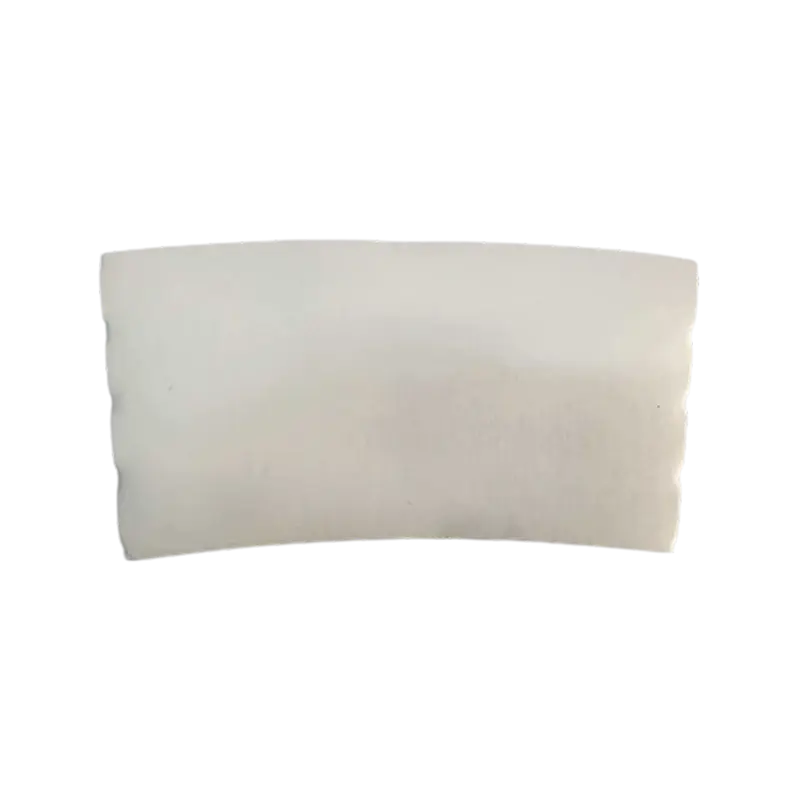
A Simple Look That Doesn't Limit Branding
Not every coffee shop wants colorful packaging. Some prefer a plain cup with a small logo, while others change their artwork for seasonal promotions. White sleeves work with both.
A black logo looks sharp against a white background. Bright colors stand out just as easily. Shops can also keep the same basic sleeve and change the printed artwork when launching a new drink or running a promotion.
This flexibility is one reason white sleeves are commonly used across different café styles.
Printing Options for Different Business Needs
A plain white sleeve doesn't have to stay plain. Suppliers can print logos, slogans, illustrations, and promotional information on the surface.
Typical options include:
The paper surface affects the finished print. Some materials produce sharper details than others, so approving a printed sample before placing a large order is worth the effort.
A More Comfortable Grip on Hot Drinks
Anyone who has picked up a freshly poured coffee knows how uncomfortable a hot cup can be. A sleeve adds a layer between the cup and the hand, making it easier to carry.
Many paper sleeves have a corrugated structure. The small air spaces help slow heat transfer, while the textured surface provides a more secure grip.
The thickness and construction make a difference. A thin sleeve may offer limited insulation, while a poorly sized one can slide around the cup. Both are worth checking before ordering.
Different Materials and Finishes
White cup sleeves aren't all made from the same paper. The material affects appearance, printing, handling, and disposal.
| Sleeve type | Main characteristics | Points to consider |
|---|---|---|
| White kraft paper | Simple finish, suitable for printing | Texture varies by paper grade |
| White coated paper | Smooth surface and clear print results | Coating may affect recycling |
| Corrugated paper | Better grip and added insulation | Requires more storage space |
| Recycled paper | Contains recycled fiber | Color and texture may vary |
| Custom printed sleeve | Supports individual branding designs | Printing setup may add cost |
Paper Quality, Construction, and Fit
A sleeve can look good in a product photograph and still disappoint during everyday use. Weak paper may tear when handled, and badly cut edges can leave an uneven finish. Incorrect dimensions are another common problem: a loose sleeve slips down, while a tight one is awkward to put on.
When reviewing samples, check the paper strength, surface finish, edge quality, and fit on the actual cup size. Also compare samples from different production batches where consistency is important.
Although the sleeve does not normally touch the beverage, suitable manufacturing hygiene remains part of packaging quality control.
Are White Paper Sleeves a More Sustainable Option?
Paper sleeves are often included in efforts to reduce plastic packaging, but the material alone doesn't tell the whole story. Coatings, printing inks, adhesives, and local recycling facilities all affect disposal.
A coated paper sleeve, for example, may not be accepted by every recycling program. Recycled content and responsible paper sourcing are also worth checking.
Before making environmental claims on packaging, ask the supplier for material details and supporting certifications. Calling a sleeve recyclable or biodegradable without checking its actual composition can be misleading.
Buying White Cup Sleeves in Bulk
For coffee chains and packaging distributors, consistency matters. A sleeve that fits one cup size properly may not work on another, even when the difference looks small.
Before ordering, confirm the cup dimensions, paper specification, printing method, minimum order quantity, and production lead time. Requesting a pre-production sample is particularly useful for customized designs.
Price comparisons should include printing, packaging, and delivery costs. A lower unit price may not be attractive if the paper is thinner or the dimensions vary between batches.
Choosing White Cup Sleeves for Coffee Shop Packaging
White Cup Sleeves suit businesses that want uncomplicated packaging with room for their own branding. They can be kept plain, printed with a small logo, or redesigned for seasonal campaigns without changing the basic packaging format.
For bulk buyers, paper quality and cup fit deserve as much attention as appearance. A sleeve customers can hold comfortably and that stays securely around the cup is doing its job.
Are You Ready To Customize Your Product?
Custom products available. We look forward to your cooperation.
Quick Link
Contact Information
Tel: 86-188 5739 3958
Tel: 86-136 5198 9100
E-mail: info@xinonapaper.com
Address: 200 Wangwei Road, Fengjing Town, Jinshan District, Shanghai

 English
 Español
 عربى