
A box can look perfectly fine when it leaves the factory and still cause trouble a few days later. Maybe the corners have gone soft. Maybe the bottom starts to sag when someone picks it up. Sometimes the cartons at the bottom of a pallet get crushed, even though the boxes were checked before shipment.
Moisture is one possible reason. Paper takes in moisture from the air, and that can weaken corrugated board. The change may be hard to notice at first, but it can make a real difference when boxes carry heavy products or sit in a warehouse for weeks.
For a corrugated paper manufacturer, this problem starts before the box is made. The paper needs to suit the job, the production line needs to run properly, and the finished box needs to handle the conditions it will face. Customers also need to store the packaging correctly. Otherwise, even a well-made box can run into trouble.
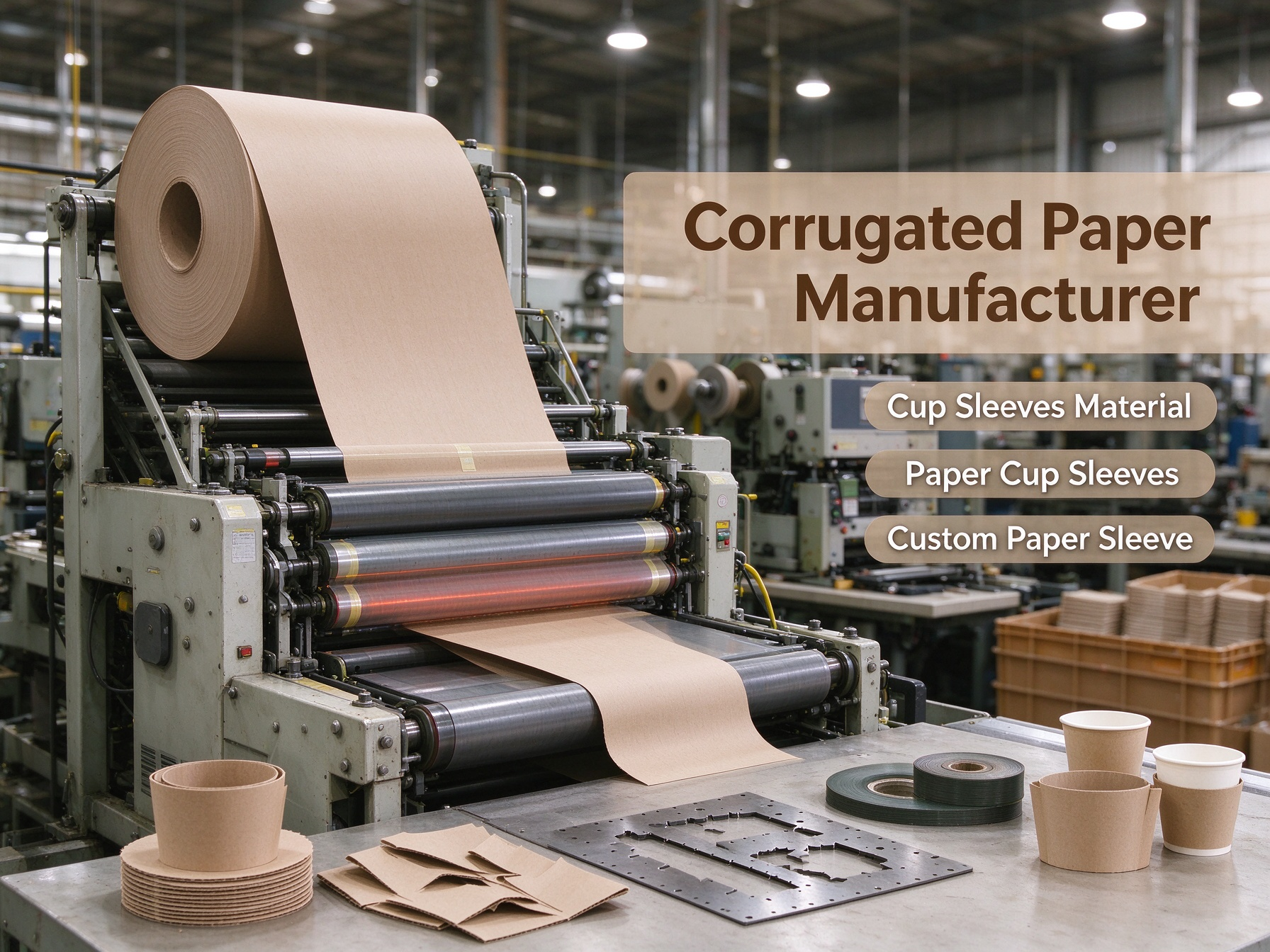
Corrugated board has flat paper liners on the outside and a wavy layer between them. That middle layer gives the box much of its strength without adding too much weight.
Paper reacts to humidity. When the air gets damp, the fibers take in moisture. The paper becomes less stiff, and the box may not hold as much weight as it did when it was dry.
You might not notice the difference when handling a single empty box. The problem becomes clearer when boxes are stacked. Cartons at the bottom have to carry the weight above them. If their walls and corners have weakened, they may bend or collapse.
Not every moisture problem comes from humid air, either. A leaking roof can soak a stack of cartons. A damp warehouse floor can damage the boxes sitting closest to it. Temperature changes can also cause condensation, especially when cold products move into warmer surroundings.
These situations don't all call for the same fix. If the paper absorbs too much moisture from the air, a different paper grade or protective treatment may help. If water is coming through a warehouse roof, changing the box material won't solve the main problem.
The first step is to work out where the moisture comes from and how much exposure the packaging is likely to face.
Paper selection has a direct effect on box performance. Different liner and fluting grades offer different levels of strength, and they don't all absorb moisture at the same rate.
Heavier paper may help a box carry more weight, but it isn't automatically better in damp conditions. A manufacturer also needs to consider the paper's strength, moisture content, and water absorption.
The right choice depends on what the customer is packing. A box used for lightweight household products may work well with standard materials. A box carrying heavy goods through a humid warehouse needs more careful planning, especially if several cartons will be stacked on top of one another.
Before production, the factory should check the paper coming in. If a batch arrives with unusually high moisture content or its strength differs from the agreed specification, the team should investigate before running it through the machine.
Water absorption is another useful check. A Cobb test measures how much water a paper or board surface absorbs over a set period under defined conditions. It helps compare materials, although it doesn't tell you everything about how a finished box will perform.
Here are the main details worth checking:
|
Paper property |
What the manufacturer needs to know |
|---|---|
|
Paper weight |
Does it suit the required box strength and material budget? |
|
Paper strength |
Can the board handle the expected load? |
|
Moisture content |
Is the paper in a suitable condition for processing? |
|
Water absorption |
How readily does the surface take up water? |
|
Batch consistency |
Does the new shipment match previous material deliveries? |
There is little point in paying for a heavier paper grade if the real problem is poor bonding or bad storage. Manufacturers should identify the weakness first, then choose materials that address it.
Even suitable paper can turn into poor packaging if the production process isn't under control. The corrugating machine uses heat to form the flutes and help bond the paper layers together. The adhesive, machine settings, and paper condition all affect the final result.
Paper storage deserves attention before the machine even starts. Rolls left in a damp area can absorb moisture and behave differently during production. Paper that is too dry may crack more easily. Staff should keep rolls in suitable conditions and check them before use, particularly when a new delivery has come from a different storage environment.
The glue needs the same level of attention. Most corrugated board uses starch-based adhesive to join the liners and fluting. If the application is uneven or the adhesive doesn't set properly, the layers may not hold together as they should.
This problem can go unnoticed if staff only look at the outside of the finished board. The surface may appear smooth even when the bond underneath is weak. Regular bonding checks help catch that sort of defect before the boxes are shipped.
Heat and production speed matter, too. The machine needs the right conditions for the paper and adhesive being used. Operators should follow the settings established for the job and check the board during production. If the paper starts behaving differently, they should investigate instead of assuming the machine will correct the problem on its own.
The material is only part of the story. A box also needs the right size and construction for the product inside.
Single-wall corrugated board works for many everyday shipments. Double-wall construction may be more suitable for heavy goods or boxes that will be stacked high. But adding another layer won't automatically stop moisture damage. The paper and the box design still need to suit the conditions.
Think about a large carton carrying a heavy product. Its side panels may bow under pressure, especially if the carton sits at the bottom of a tall stack. Cutouts and hand holes can create additional weak points. If moisture has already reduced the paper's stiffness, these areas may become more vulnerable.
Manufacturers should ask customers how the boxes will be used before recommending a construction. Will the cartons sit in storage for a few days or several weeks? Will they be stacked on pallets? Will they pass through a humid warehouse or a refrigerated area?
Those details help determine which board grade and box design make sense. They also help avoid unnecessary material costs. A box doesn't need to be heavier than necessary; it needs to be strong enough for the job.
Standard corrugated board works well for many applications. Some shipments, however, need extra protection because the packaging may face damp air, splashes, or condensation.
A moisture-resistant coating can slow down water absorption through the treated surface. This may help in humid storage areas or where brief splashes are possible. The level of protection depends on the coating and how it is applied. Cut edges, folds, and damaged areas may still allow moisture to reach the paper underneath.
Some manufacturers use water-resistant paper grades for more demanding applications. These materials may offer better protection, but buyers still need to consider their strength, cost, and suitability for the production process.
In other cases, an extra layer of packaging may be the more practical option. A plastic inner bag can keep moisture away from the product, while a pallet cover can protect cartons during storage or shipping.
The important question is where the water will come from. If chilled products cause condensation inside a box, coating the outside may not be enough. If the cartons face occasional splashes during handling, a surface treatment may be useful.
Manufacturers should explain what the selected treatment can handle. A coating that resists brief contact with water shouldn't be described as waterproof unless testing supports that claim.
A box may pass a normal factory inspection and still lose strength after spending time in humid conditions. Testing helps manufacturers catch weaknesses before a large order reaches the customer.
Different tests answer different questions.
|
Test |
What it checks |
|---|---|
|
Cobb test |
How much water the paper or board surface absorbs under set conditions |
|
Edge crush test (ECT) |
How well corrugated board resists crushing along its edge |
|
Box compression test |
How much pressure a finished box can withstand |
|
Humidity conditioning |
How the board or box changes after exposure to humid air |
|
Bond inspection |
Whether the liners and fluting are properly attached |
A good result in one test doesn't guarantee good performance in every situation. For example, a board may absorb relatively little water through its surface but still lose compression strength when exposed to high humidity.
For customers who store cartons in damp conditions, the manufacturer can condition sample boxes at a specified temperature and humidity before testing them. The team can then compare those results with samples kept under normal conditions.
The test should reflect how the customer will use the boxes. If cartons normally stay in a warehouse for two weeks, a very short exposure test may not reveal the full problem.
Manufacturers should record the material grade, box construction, test conditions, and results. When something goes wrong later, those records make it easier to compare batches and work out what changed.
The production line may be doing everything right, but finished boxes can still be damaged in the warehouse.
Boxes and flat board sheets should stay off damp floors and away from leaking roofs or wet walls. Staff should keep them in a clean, dry area and check stored stock for soft corners, stains, and changes in shape.
A stack of cartons sitting close to a warehouse wall may seem harmless until moisture starts getting into the lower boxes. By the time someone notices the damage, several cartons may already be unusable.
Customers need to take similar care after delivery. Leaving boxes on a wet floor or beside a leak can undo the work that went into making them. Protective wrapping may help, but it cannot make up for a storage area that is constantly damp.
Manufacturers should tell customers how to store the packaging, especially when a particular board grade has limits on moisture exposure. Clear advice can prevent problems that have nothing to do with a defect in the product.
When cartons arrive damaged, switching to heavier paper may seem like the obvious answer. Sometimes it helps. Sometimes it simply makes the packaging more expensive without fixing the cause.
Start by looking at the damage. Soft, swollen corners may point to moisture exposure. Crushed walls may indicate that the boxes couldn't handle the stacking load. Layers coming apart may suggest a bonding problem.
The timing matters as well. Did the boxes leave the factory in good condition? Were they damaged after sitting in a warehouse? Did the shipment pass through rain or a very humid area? Photos, returned samples, and shipping records can help answer these questions.
Once the cause is clearer, the manufacturer can decide what needs to change. The solution might involve a different paper grade, better adhesive control, a stronger box design, a protective coating, or improved storage instructions.
Repeated complaints deserve attention. If the same problem keeps happening, the team should look for a pattern instead of treating every shipment as a separate case.
A corrugated paper manufacturer can make a much better recommendation when the customer explains where the packaging will go and what it needs to carry.
Before confirming an order, discuss the product weight, box dimensions, stacking height, storage time, and likely moisture exposure. These details help the manufacturer decide whether standard corrugated board is enough or whether extra protection is needed.
Customers should also share any problems they have had with previous packaging. If the bottom boxes keep collapsing or cartons arrive with damp corners, that information gives the manufacturer a useful starting point.
The goal is simple: find a box that protects the product under the conditions it will actually face. That may mean changing the material, adjusting the design, improving storage, or doing a little more testing before production.
Moisture problems don't always start in the factory, and heavier paper doesn't always solve them. The paper, adhesive, box design, warehouse conditions, and shipping route can all affect the final result.
A manufacturer that checks these details can spot weaknesses before the boxes reach customers. Customers can help by explaining their storage and shipping conditions and keeping packaging away from water. Together, these steps reduce avoidable damage and help keep products in good shape from the factory to delivery.
Are You Ready To Customize Your Product?
Custom products available. We look forward to your cooperation.
Quick Link
Contact Information
Tel: 86-188 5739 3958
Tel: 86-136 5198 9100
E-mail: info@xinonapaper.com
Address: 200 Wangwei Road, Fengjing Town, Jinshan District, Shanghai

 English
 Español
 عربى